Industries / Energy, water and waste
Power generation
Power generation is the work of making electricity in large plants, by burning coal or gas, splitting atoms, or capturing the energy in falling water, wind and sunlight, and of storing it at grid scale until it is needed.
1882
On 4 September 1882 Thomas Edison's Pearl Street Station in New York began supplying direct current from coal-fired steam engines and dynamos to about 85 customers; IEEE calls it "the first permanent central power station for supplying incandescent lighting.".
36
Milestones achieved across 7 domains.
10
To watch for: announced, not yet confirmed outside.
14
Open deliverables. Nobody has shipped them.
In one minute
Where it started
Electricity became something a plant sold to its neighbors in 1882, when Edison's Pearl Street Station opened in New York and a water-powered plant in Appleton, Wisconsin, followed 26 days later. In 1884 Charles Parsons built a steam turbine that the Science Museum calls the forerunner of the turbo-generators that make most of the world's electricity today. Nuclear plants joined the grid in the 1950s, and wind moved offshore in 1991.
Where it stands
In 2024 a gas plant in England turned 64.18% of its fuel's energy into electricity, against a US fossil-plant average of 29.9% in 1957, by ASME's figure. IRENA puts the cost of power from new utility-scale solar at USD 0.043 per kWh in 2024, 90% below 2010. The hard lessons keep coming: the first new US reactors in years cost more than twice their estimate, and in February 2021 extreme cold knocked 1,045 generating units in Texas and nearby states offline or down in output.
What is open
Much of what the industry knows about breakdowns is private or never written down. There is no national US register of wind blade failures, and few grid batteries publish how much energy they lose. Models that read documents and images, and robot arms that learn a task from a few demonstrations, now let a small team build such records and test such claims with public data or on test rigs, away from live plants.
Domains
AchievedWatch forOpen
Domain
Progress
Last achieved
Watch for
Open
Coal and gas plants
Coal and gas plants burn fuel to make steam or hot gas, which spins a turbine connected to a generator.
6 · 2 · 2
Last achievedA gas plant efficiency record2024
Watch forHalf hydrogen in a turbine
2
openNuclear
Nuclear plants use the heat from splitting uranium atoms in a reactor to make steam for a turbine.
6 · 2 · 2
Last achievedVogtle's late, costly reactors2024
Watch forFour test reactors go critical
2
openIn depthSmall modular reactors
Hydro
Hydro plants make electricity from water falling through turbines, usually from a reservoir held back by a dam.
5 · 2 · 2
Last achievedOroville's spillway breaks up2017
Watch forMegaproject on the Yarlung Tsangpo
2
openIn depthHydroelectric
Wind
Wind turbines turn the push of the wind on their blades into electricity, on land and at sea.
5 · 1 · 2
Last achievedA blade breaks off Nantucket2024
Watch forTwenty megawatts at sea
2
openIn depthWind turbines
Solar
Solar plants turn sunlight into electricity, mostly with photovoltaic panels and sometimes with mirrors that heat a fluid to drive a turbine.
4 · 1 · 2
Last achievedTwo-layer cell record2026
Watch forRobots install 100 MW
2
openIn depthSolar panels
Storage
Grid storage holds electricity for later, by pumping water uphill, squeezing air into underground caverns, or charging large banks of batteries.
6 · 1 · 2
Last achievedFewer fires per battery2025
Watch forA 100-hour battery
2
openRunning and maintaining a plant
Every plant must be kept safe and ready to run: staffed and inspected, repaired in planned outages, and prepared for extreme weather.
4 · 1 · 2
Last achievedTexas plants freeze2021
Watch forLegged robots on rounds
2
open
Other narrower industries
GeothermalNuclear decommissioningNuclear fuel
Figureheads
12 people
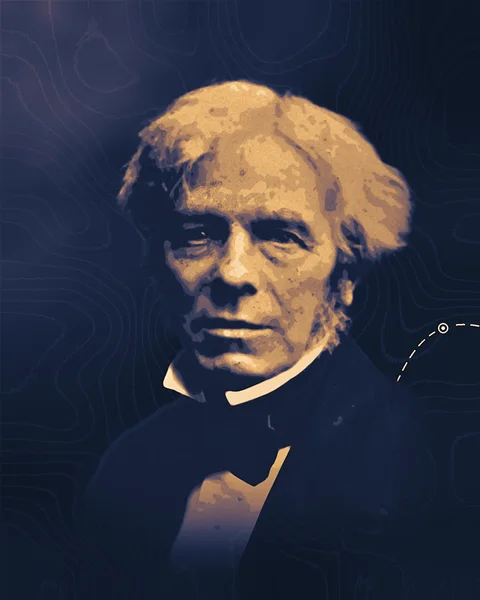
Michael Faraday
1791–1867
He found that a moving magnet makes an electric current in a wire, the principle every generator in every power plant works by.
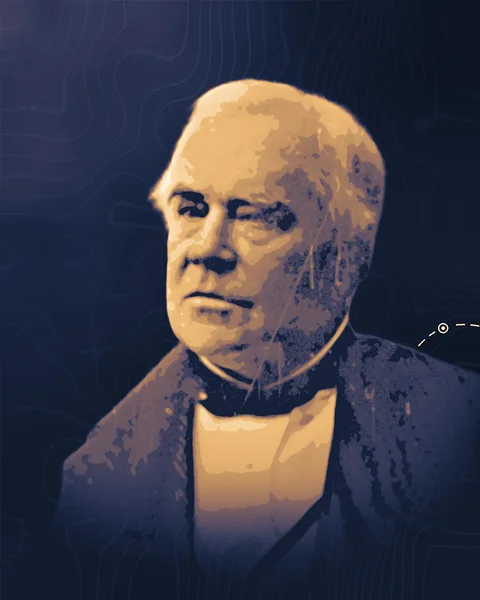
James B. Francis
1815–1892
He designed and measured the inward-flow water turbine that carries his name, the type most hydroelectric plants use today.
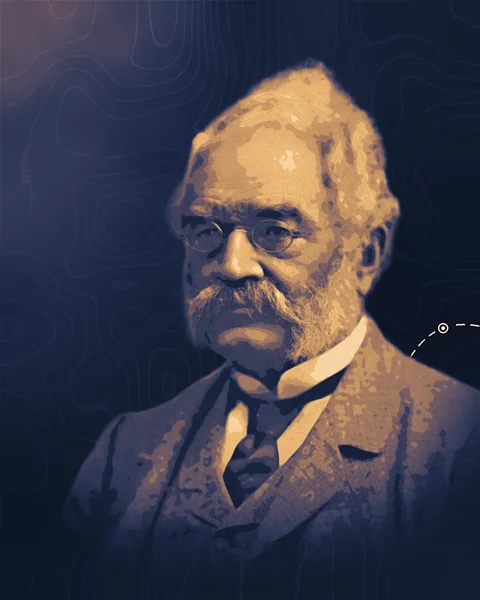
Werner von Siemens
1816–1892
He showed that a generator can raise its own magnetic field from the current it makes, which freed electric machines from weak permanent magnets and from batteries.
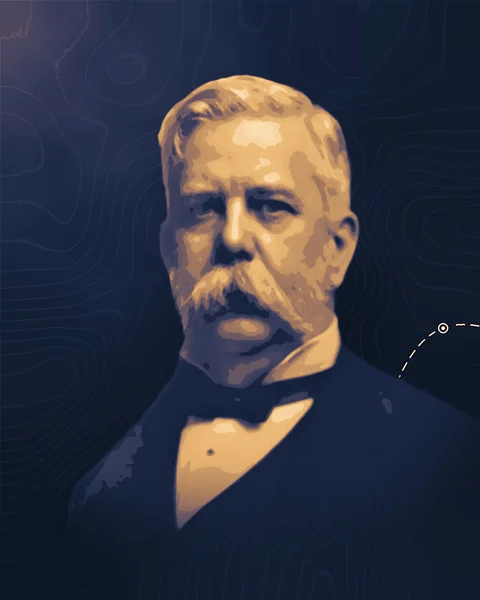
George Westinghouse
1846–1914
He put his company behind alternating current when American stations ran on direct current, and built the generators at Niagara Falls that settled the question.
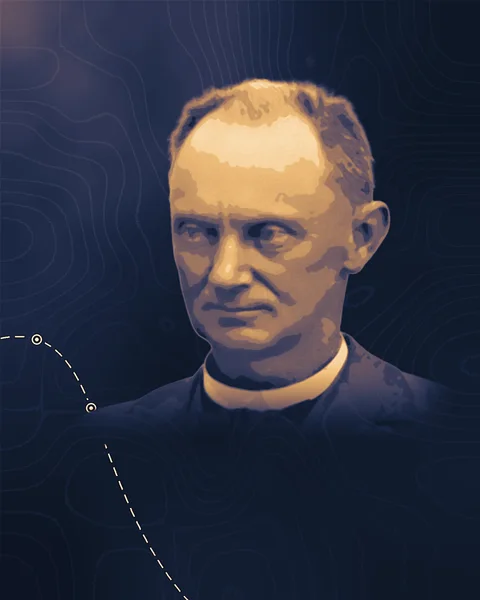
Poul la Cour
1846–1908
He made wind a source of electricity for the Danish countryside: he tested blade shapes in a wind tunnel, worked on how to store the power, and trained the electricians who built village power stations.
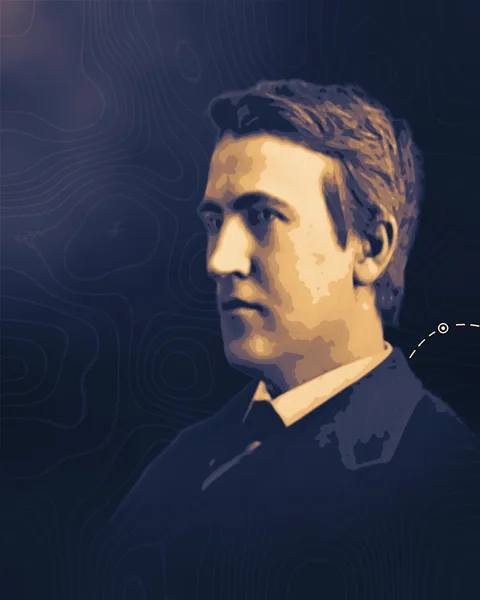
Thomas Edison
1847–1931
He built the first permanent central power station, which sold electric light to a whole district from one plant, and the lamps, dynamos and underground wiring to go with it.
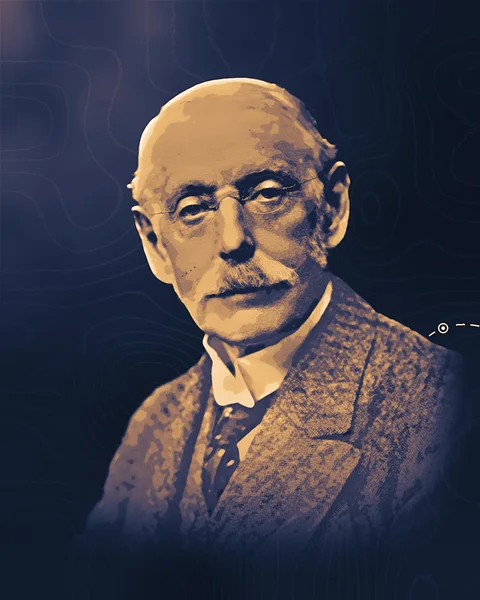
Charles Parsons
1854–1931
He built the steam turbine that drives a generator directly, the kind of machine that still makes most of the world's electricity.
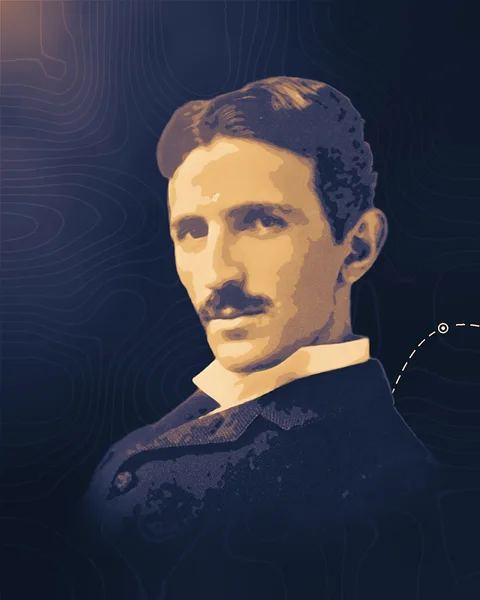
Nikola Tesla
1856–1943
He designed a system of alternating-current generators, transformers and motors working on several currents out of step with one another, the kind of system power plants have used since Niagara.
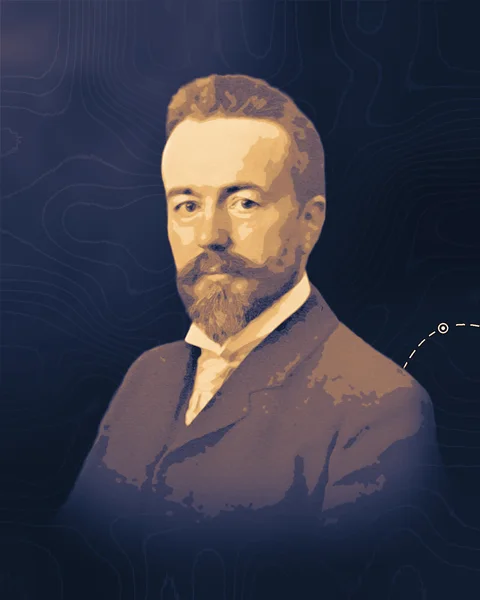
Aurel Stodola
1859–1942
He wrote the book engineers designed steam and gas turbines from, and showed how to work out a turbine's steam flow from charts of measured values.
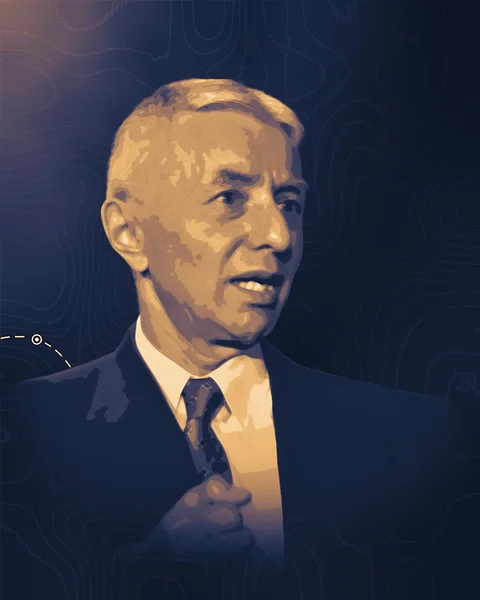
Hyman G. Rickover
1900–1986
He drove the pressurized water reactor from a submarine engine to the first full-scale American nuclear power station, and the reactors most of the world's nuclear plants use descend from it.
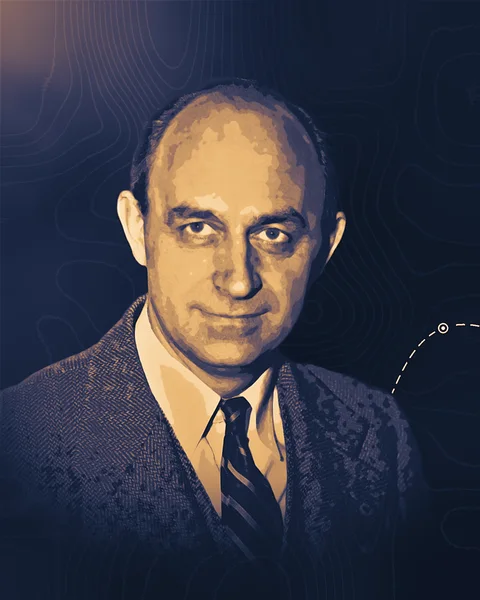
Enrico Fermi
1901–1954
He led the building of the first nuclear reactor and ran the experiment that proved a chain reaction could be started, held steady and stopped at will.
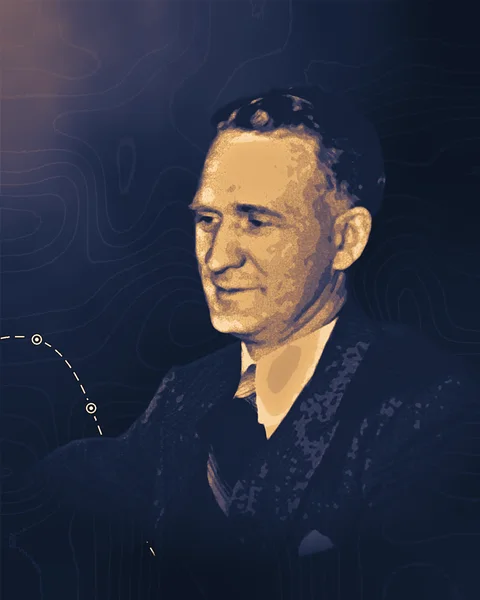
Walter Zinn
1906–2000
He designed the first reactor to make electricity and, as first director of Argonne National Laboratory, set the United States to developing both water-cooled power reactors and the breeder.
Advances to build with
2 research notes

NVIDIA GR00T 2
Five demonstrations per task
By NVIDIA's own test, its robot model GR00T 2 averages 95% success after five demonstrations of a task, on 50 tasks picked from those it learns that way.
Cursor Agent SDK
Findings that cite notes
Cursor released a kit for building AI agents, and its example, a code reviewer that cites the note behind each finding, is known only from Cursor's account.
Open in power generation
3 of 14 open deliverables
Open · Coal and gas plants
Measure how European plants flex
An open table, for every coal, lignite and gas unit in Europe that reports its hourly output, of how low it can run steadily, how fast it ramps up and down, and how often it starts. These numbers decide how well a fossil fleet can fill in around wind and solar.
Built with what exists
ENTSO-E Transparency Platform data (free account); PUDL's published method as the template; Python; a coding agent to write and test the data pipeline, with each step linked to the evidence behind it (see the Note "Findings that cite notes").
Open · Nuclear
Test open nuclear search models
An independent, repeatable test of Atomic Canyon's FERMI models on questions about public NRC documents, written and checked by people outside the company. FERMI models are retrieval models: they find the passages that answer a question, the first step of most AI document assistants.
Built with what exists
FERMI weights and Atomic Canyon's evaluation tooling, built on BEIR and pyserini; public documents from the NRC's ADAMS library; a language model to draft candidate questions; two people with nuclear engineering training to write and check the answers; one graphics card.
Open · Hydro
Count fish at dam ladders
Software that counts fish and names their species in video from a dam's fish ladder (a stepped channel that lets fish swim past a dam), checked against official human counts for a whole migration season.
Built with what exists
The public Wells Dam fish-ladder video used in that study; open detection and tracking models such as YOLO and Norfair; a vision-language model to suggest species labels; daily counts published by dam operators.