Textiles and apparel
The textiles and apparel industry turns natural and man-made fibers into yarn, fabric and finished clothing by spinning, weaving or knitting, dyeing, cutting and sewing.
1771
Richard Arkwright built a water-powered cotton spinning mill at Cromford, England; UNESCO says "the modern factory owes its origins to the mills at Cromford, where Richard Arkwright's inventions were first put into industrial-scale production.".
36
Milestones achieved across 6 domains.
12
To watch for: announced, not yet confirmed outside.
13
Open deliverables. Nobody has shipped them.
In one minute
Where it started
People spun, wove and knitted by hand for thousands of years. In 18th-century Britain the flying shuttle and the spinning jenny sped up weaving and spinning, and Richard Arkwright's water-powered mill at Cromford (1771) moved spinning into a factory. The lockstitch sewing machine followed in 1846, the first synthetic dye in 1856, and nylon in 1938.
Where it stands
Textile Exchange counted a record 139 million tonnes of fiber made worldwide in 2025, most of the growth from new fossil-based fibers (). In 2024 polyester was 59% of all fiber and cotton 19%, and fiber recycled from textiles was less than 1% (). Spinning and weaving have been machine work for two centuries, but a 2026 robotics paper notes that sewing "remains largely dependent on skilled human labor" ().
What is open
Most open jobs involve soft fabric that robots find hard to handle, or materials that are hard to measure. They include a robot that sews a whole simple product, a robot that repairs a broken warp thread, lab-checked data for sorting worn clothes, and tests that tell cashmere from wool or recycled polyester from new. Low-cost robot arms that learn from demonstrations, handheld infrared scanners, free satellite images and open image models put these jobs within reach of a small team today.
Domains
AchievedWatch forOpen
Domain
Progress
Last achieved
Watch for
Open
Fibers and spinning
Spinning cleans raw fiber, natural or man-made, lines the fibers up and twists them into yarn.
6 · 1 · 2
Last achievedRobots mend broken yarn2019
Watch forPlant-based spandex at scale
2
openWeaving and knitting
Weaving makes fabric by crossing two sets of threads at right angles on a loom; knitting makes it by pulling loops of yarn through other loops.
5 · 1 · 2
Last achievedWhole sweaters, no seams1995
Watch for3D weaving enters a mill
2
openDyeing and finishing
Dyeing and finishing gives yarn and fabric their color and any printed pattern, then applies the chemical or mechanical treatments that change how the cloth looks, feels and handles water.
7 · 2 · 2
Last achievedEU restricts a fluorine finish2024
Watch forBacteria that make dye
2
openCutting
Cutting turns a design into flat fabric pieces: pattern makers draw each piece in every size, a marker (the layout plan) fits the pieces onto the fabric with little waste, and cutters slice through stacks of spread fabric.
5 · 2 · 2
Last achievedScreen samples beside cloth2019
Watch forCutting-room planning in minutes
2
openSewing
Sewing joins cut pieces into a finished garment, mostly by people who each run a machine for one step on a factory sewing floor.
6 · 3 · 2
Last achievedRobot T-shirt plant changes course2017
Watch forSewbot lines near sale
2
openSorting and recycling
Sorting and recycling collects used clothes and factory scraps, sorts them by fiber and color, removes zips and buttons, and turns the cloth back into fiber, either by tearing it apart (mechanical recycling) or by dissolving it into pulp or plastic (chemical recycling).
7 · 3 · 3
Last achievedEU makes textile collection law2025
Watch forCirculose plant back running
3
open
Narrower industries
FootwearLeather goodsWorkwear and western wear
Figureheads
18 people
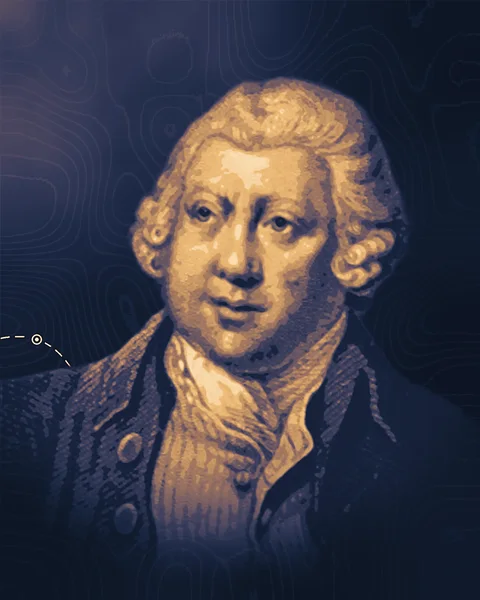
Richard Arkwright
1732–1792
He put roller spinning, carding and water power under one roof at Cromford, and the mill he organized there became the pattern for the factory.
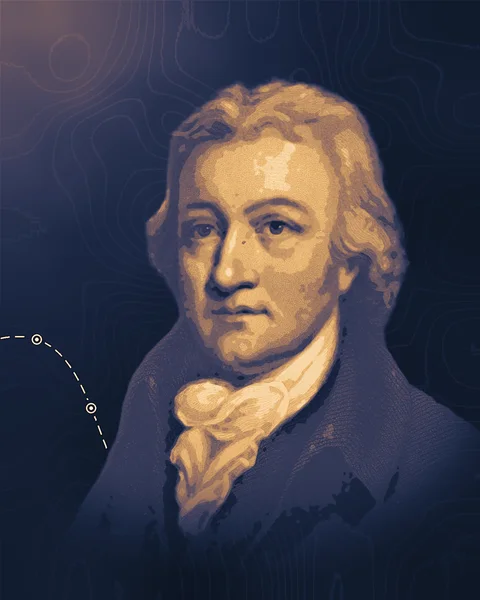
Edmund Cartwright
1743–1823
A country clergyman who had never seen a loom at work, he built the power loom from which the looms of the weaving mill descend, and a machine to comb wool, work done until then only by hand.
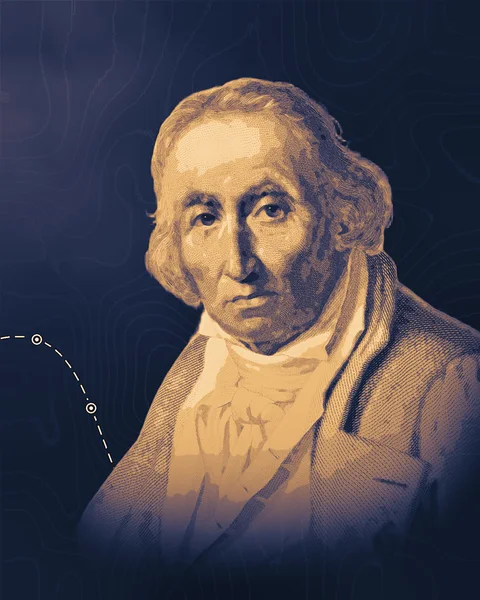
Joseph Marie Jacquard
1752–1834
He made a loom attachment that reads a woven pattern from a chain of punched cards, so one weaver could make figured cloth without a helper pulling cords.
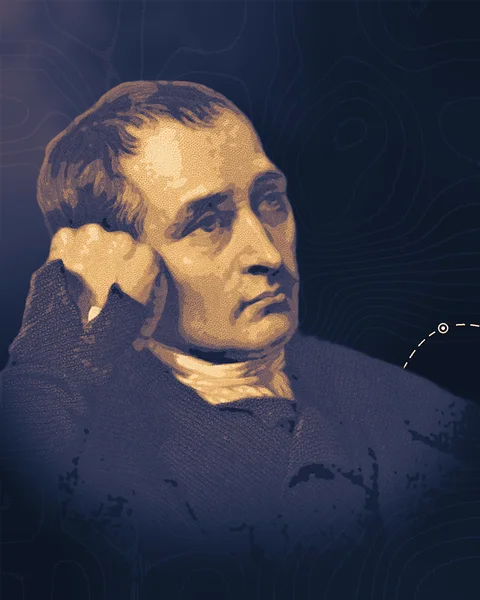
Samuel Crompton
1753–1827
He built the spinning mule, a machine that spun cotton yarn fine and even enough for muslin, and gave it to the trade without a patent.
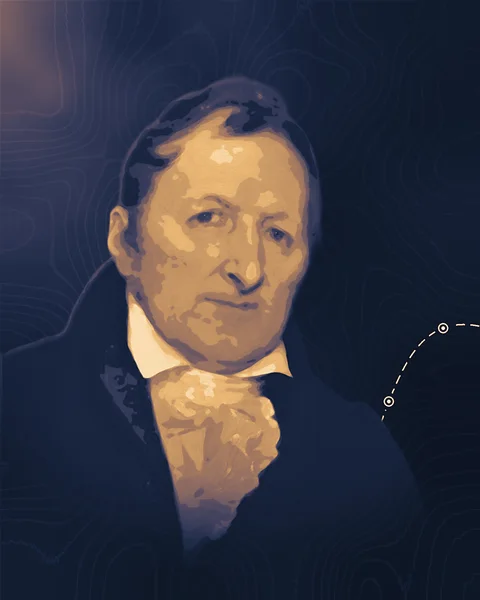
Eli Whitney
1765–1825
He patented a cotton gin that made short-fibered upland cotton pay, which fed the world's mills and spread slavery across the American South.
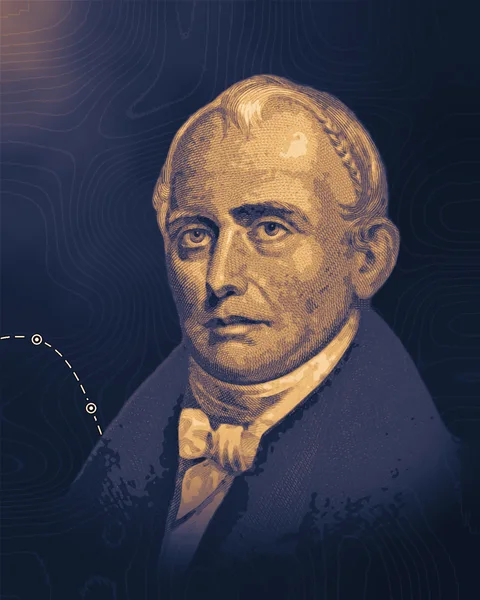
Samuel Slater
1768–1835
He carried the working knowledge of English water-powered cotton spinning to Rhode Island and built the first American mills on it, staffed by children and then by whole families.
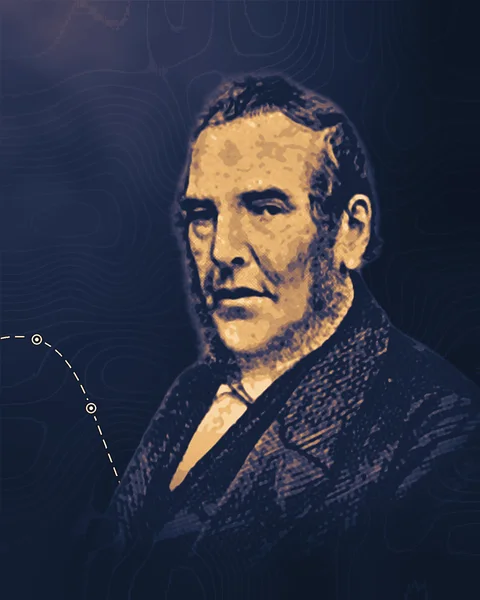
Richard Roberts
1789–1864
A Manchester toolmaker, he made the spinning mule work by itself, so that hundreds of spindles ran with no skilled spinner at the controls.
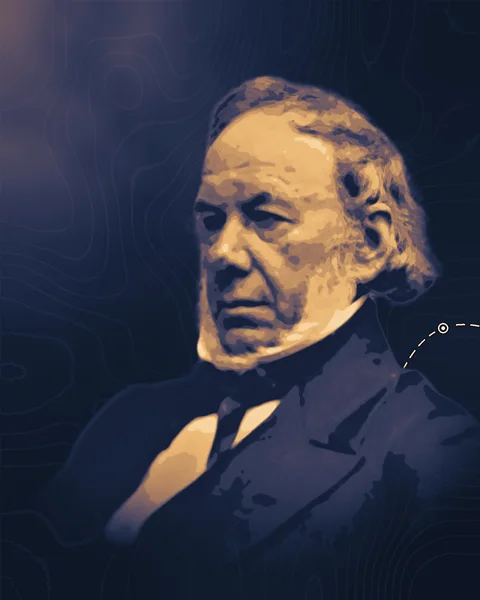
John Mercer
1791–1866
He found that a bath of strong caustic soda makes cotton shrink, grow stronger and take dye more readily, the treatment still called mercerizing.
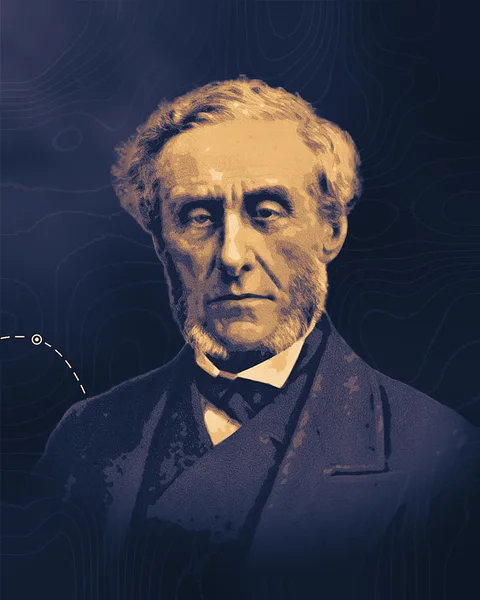
Lord Shaftesbury
1801–1885
He led the campaign in Parliament that put a legal limit on the working day in Britain's textile mills, first for children and then for women and the young.
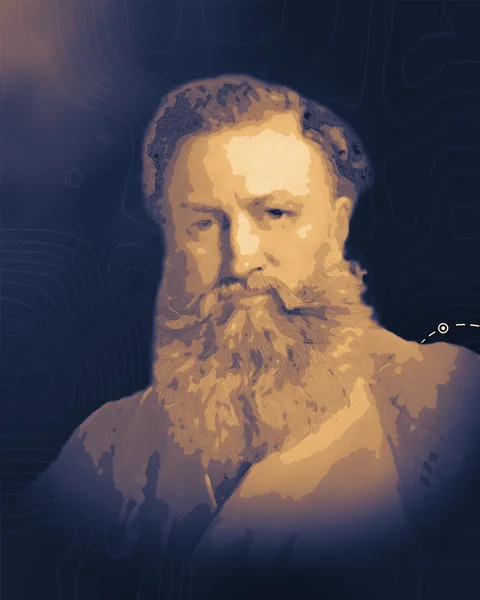
Isaac Singer
1811–1875
He rebuilt the sewing machine into one that worked all day in a workshop, and his firm sold it to households by showroom, demonstration and monthly payment.
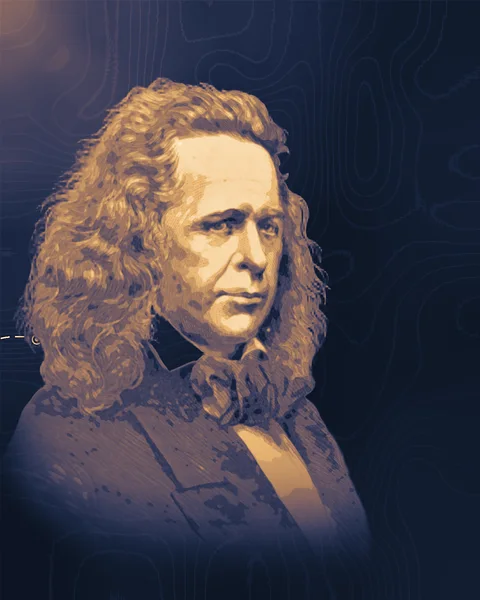
Elias Howe
1819–1867
He patented a machine that sewed a lockstitch with a needle and a shuttle, and the courts made every American sewing machine maker pay him for it.
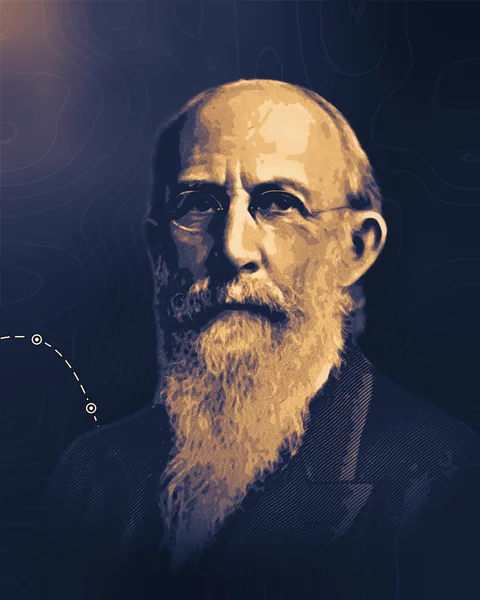
Ebenezer Butterick
1826–1903
He sold paper sewing patterns cut in a run of standard sizes, so one design could be made up for many bodies without redrawing it.
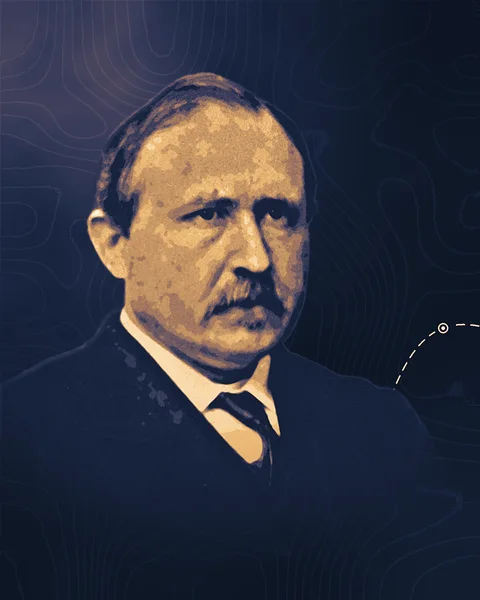
Peter Griess
1829–1888
He discovered the diazo reaction, the chemical step behind the azo dyes, which today are the most used class of dyes.
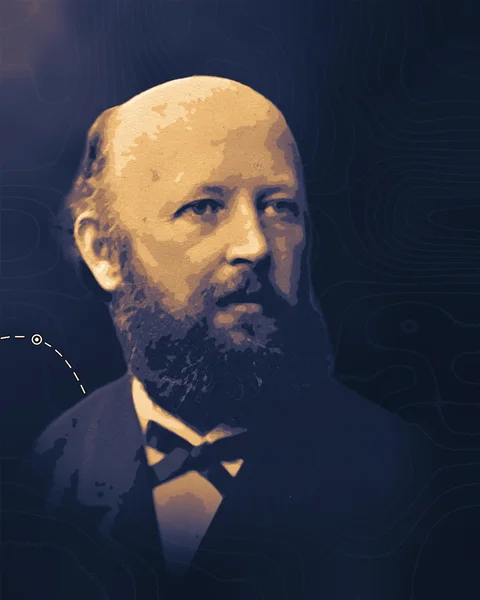
Adolf von Baeyer
1835–1917
He worked out how to build the blue dye indigo from coal-tar chemicals, the laboratory work that factory-made indigo, the dye of blue jeans, rests on.
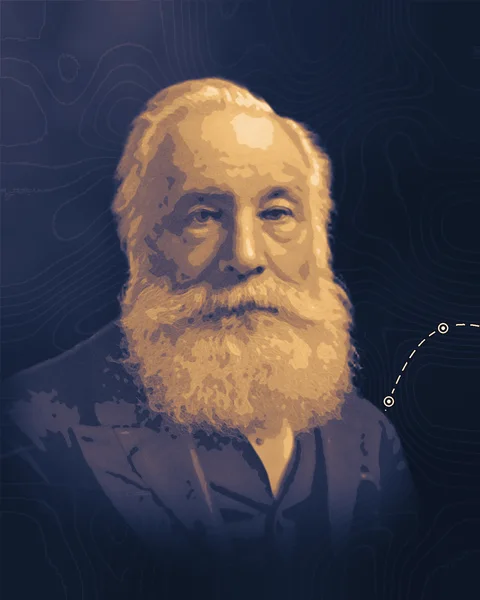
William Henry Perkin
1838–1907
He made the first synthetic dye to be sold, from coal tar, and built the factory that showed chemistry could be an industry of its own.
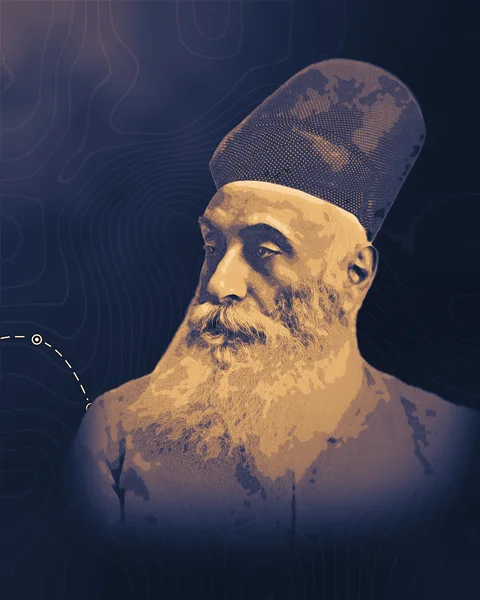
Jamsetji Tata
1839–1904
He built India's model cotton mill at Nagpur, where he was the first Indian mill owner to spin on the ring frame and to set up pension and provident funds for mill workers.
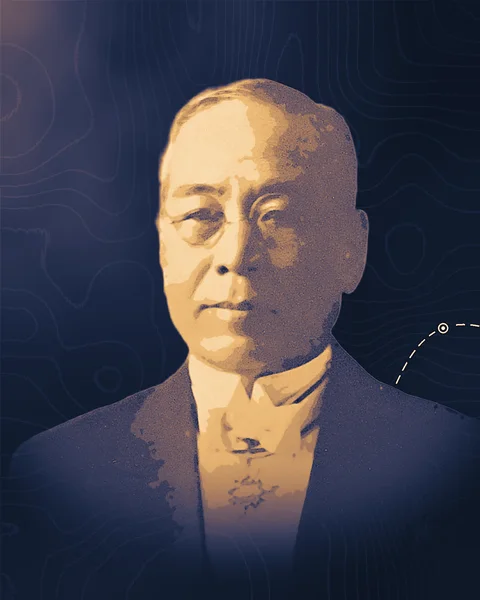
Sakichi Toyoda
1867–1930
He built looms that stop themselves when a thread breaks and change shuttles without stopping, so one weaver could tend many machines.
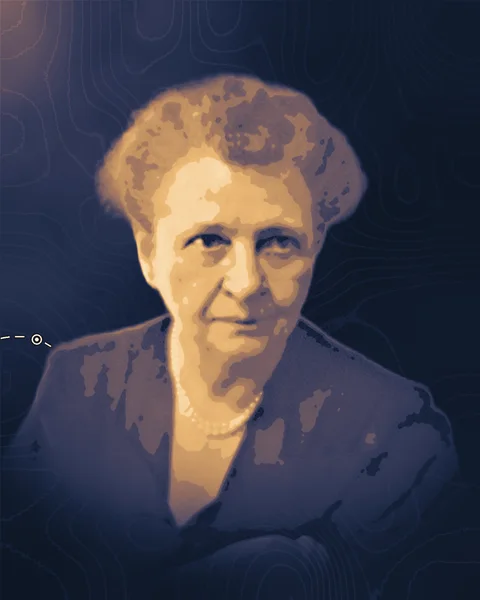
Frances Perkins
1880–1965
She investigated New York's factories after a garment-shop fire killed 146 workers, and later wrote the federal floor under wages and ceiling over hours that American garment work still runs on.
Advances to build with
1 research note

Open in textiles and apparel
3 of 13 open deliverables
Open · Fibers and spinning
Cashmere checks without an expert
A microscope and software check that tells cashmere from sheep's wool in a finished garment and estimates the share of each, published with its code and test images.
Built with what exists
a digital microscope or a phone adapter on a lab microscope; open image models such as ShuffleNetV2 or ConvNeXt trained with PyTorch; garments bought from ordinary shops.
Open · Weaving and knitting
Robot repairs a broken warp
A robot arm that repairs a broken warp thread on a stopped loom. It finds both broken ends, ties in a new length of yarn, threads it back through the drop wire, heddle and reed (the parts that guide each thread), and hands the loom back for restart.
Built with what exists
a low-cost arm such as the SO-101 with Hugging Face's LeRobot software, or a two-armed research robot; a robot model trained from a few human demonstrations, such as NVIDIA GR00T 2 (see the Note "Five demonstrations per task"); a close-up camera; a retired or hand-operated loom as the test rig, with its power isolated during each repair.
Open · Dyeing and finishing
Satellite map of dyed rivers
A public web map of one river in Bangladesh's dyeing districts, the Buriganga near Dhaka, that flags water looking dye-colored in Sentinel-2 satellite images since 2020, shows nearby factory locations, and links each flag to dated ground photos.
Built with what exists
free Sentinel-2 images from the Copernicus Data Space, with 10 m pixels and a new image about every five days; factory locations from Open Supply Hub, a free map of production sites; phone photos with GPS for ground checks; basic Python. It only works where the river fills several 10 m pixels, and monsoon cloud will leave gaps.