Healthcare
The healthcare industry finds out what is wrong with people and treats them, in hospitals, clinics, ambulances and homes, and keeps the records of that care.
372
Basil of Caesarea founded the Basileias, a large charitable complex with doctors attached, often called the first hospital.
49
Milestones achieved across 7 domains.
15
To watch for: announced, not yet confirmed outside.
14
Open deliverables. Nobody has shipped them.
In one minute
Where it started
Hospitals began as charities. Basil of Caesarea's complex of 372 is often called the first, though one historian, S. H. Nam, finds outpatient care, admission and surgery first confirmed together in the 7th century, at the Sampson Xenon in Constantinople. Care became the science-based service it is now in the 19th century, with the stethoscope (1816), ether anesthesia (1846), antiseptic surgery (1867), deaths counted by cause, and the X-ray (1895).
Where it stands
Care now runs on machines and records: scanners, robots that hold surgeons' instruments, and electronic records, which the US Office of the National Coordinator for Health IT counts in more than 99% of US acute care hospitals. Many of the industry's hard lessons are about use, not invention: a program that matched experts but was never used in care, a sepsis alert that missed two thirds of cases when a hospital tested it, and a safety checklist that cut deaths in a study but not when a province told every hospital to use it. AI models now read mammograms in a randomized trial and draft doctors' notes, while the boldest claims, such as AI diagnosing hard cases better than doctors, rest mostly on the makers' own tests.
What is open
Much of what is claimed for new tools in hospitals has not been measured by anyone outside the company that sells them. The open jobs below build public answer keys, test sets and staged trials from open data, actors, training manikins and mock wards, so that anyone can score a tool without touching a real patient. Each can be started this month with open data, open-source software and current AI models.
Domains
AchievedWatch forOpen
Domain
Progress
Last achieved
Watch for
Open
Diagnosis
Working out what is wrong with a person from what they report, an examination, and tests on blood, tissue and the heart's electrical signals.
7 · 2 · 2
Last achievedAI-read ECGs in a trial2021
Watch forAI works up hard cases
2
openImaging
Making pictures of the inside of the body with X-rays, sound, magnets and radio waves, and reading them.
7 · 2 · 2
Last achievedAI as a second reader2026
Watch forOpen models write X-ray reports
2
openSurgery
Operating on the body to remove, repair or replace a part, and the work that makes an operation safe: anesthesia, clean technique and checks.
7 · 2 · 2
Last achievedSmaller cuts, worse survival2018
Watch forGallbladder steps without a surgeon
2
openEmergency care
Treating sudden illness and injury, from the first minutes at the scene and in the ambulance to the hospital's emergency department.
7 · 3 · 2
Last achievedDefibrillators by drone2023
Watch forAn AI coach for bystanders
2
openHospital operations
Running a hospital day to day: keeping infection down, finding and fixing errors, staffing the wards, and moving patients, beds and supplies.
7 · 2 · 2
Last achievedLine infections cut statewide2006
Watch forForecasting emergency demand
2
openRecords and paperwork
Writing down, coding and sharing what is known about each patient, so that the next clinician, the patient and public health statistics can use it.
7 · 2 · 2
Last achievedAI scribes in a trial2025
Watch forAI charting inside the record
2
openCare at home
Nursing, monitoring and hospital-level treatment given in the patient's own home rather than in a hospital or clinic.
7 · 2 · 2
Last achievedHospital at home approved2020
Watch forVoice agents that call patients
2
openIn depthHome health
Other narrower industries
DentalSenior living and assisted careBehavioral healthMedical labsTelehealthPharmacyDurable medical equipmentHospicePhysical therapyOptometryMedical billingChiropracticFertility clinicsMedical spasHealthTechHospitalsUrgent careOutpatient surgery centersDialysisImaging centersNurse staffingWorkplace health and drug testingPlasma and blood centersWeight-loss clinicsDirect primary care
Figureheads
14 people
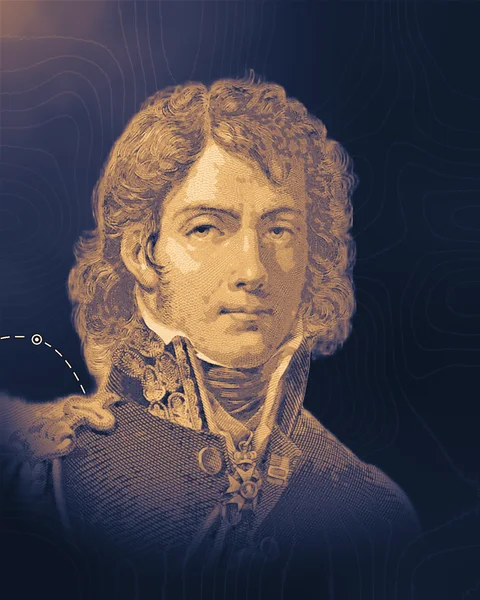
Dominique-Jean Larrey
1766–1842
A French army surgeon, he sent light sprung carriages onto the battlefield to bring the wounded in during the fighting and had them treated in order of how badly they were hurt, not by rank.
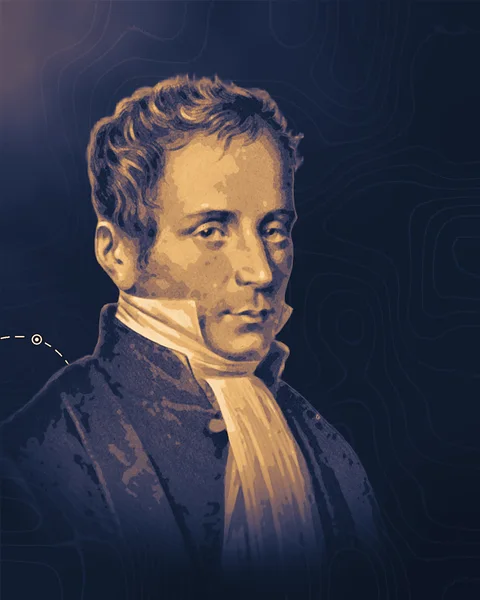
René Laennec
1781–1826
He invented the stethoscope at a Paris hospital in 1816 and taught doctors to read diseases of the chest from the sounds it carried.
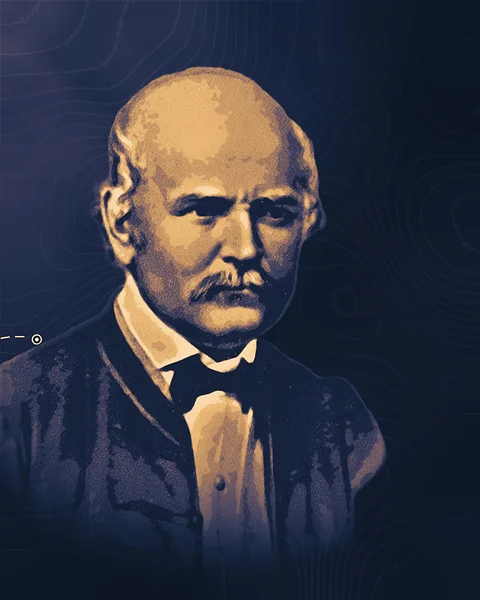
Ignaz Semmelweis
1818–1865
He made the doctors of a Vienna maternity clinic wash their hands in chlorine before examining women in labor, and deaths from childbed fever fell from about one mother in nine to one in fifty.
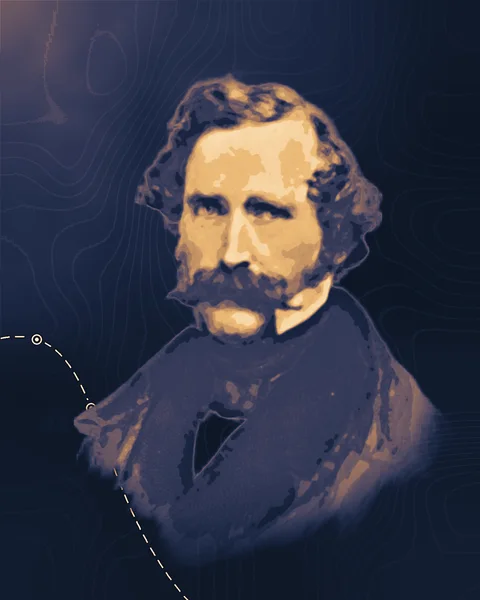
William T. G. Morton
1819–1868
A Boston dentist, he gave the ether at the public operations of 1846 that made surgeons take up anaesthesia, then fought for years to own the credit and the patent.
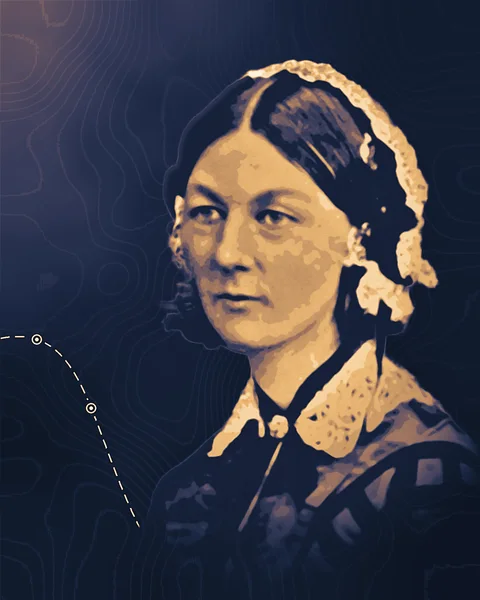
Florence Nightingale
1820–1910
She led the British army's nurses in the Crimean War, then used counts of the dead to push for cleaner barracks and hospitals and founded a school that made nursing a trained profession.
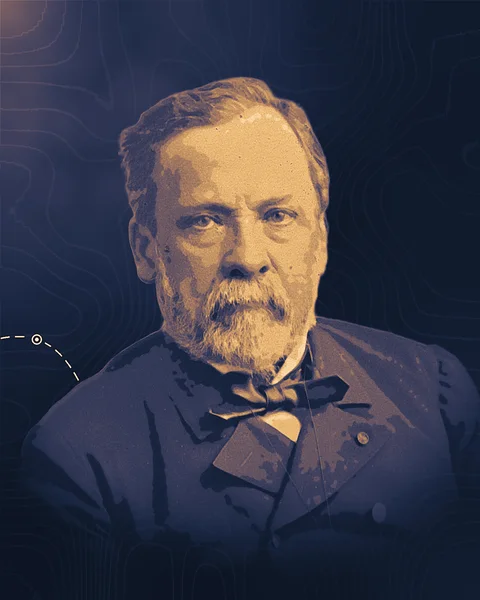
Louis Pasteur
1822–1895
He showed that microbes cause fermentation and spoilage, and that gentle heating stops them without ruining the drink.
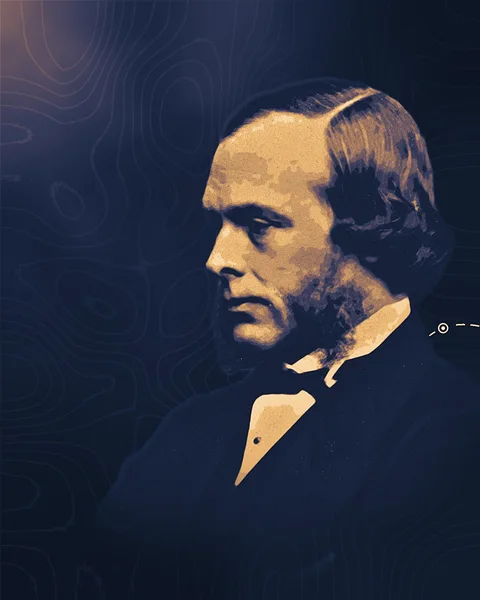
Joseph Lister
1827–1912
He treated wounds and dressings with carbolic acid to kill the germs that Pasteur had found in the air, and made surgeons treat wound infection as something they could prevent.
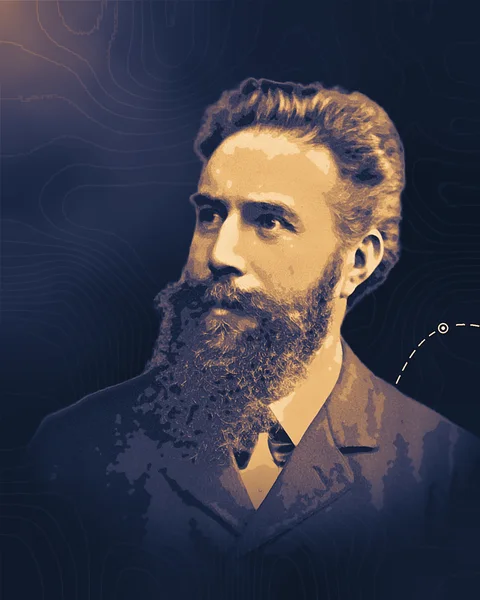
Wilhelm Conrad Röntgen
1845–1923
He discovered X-rays in 1895 and left them unpatented, so within months doctors everywhere could see bones and bullets inside living patients.
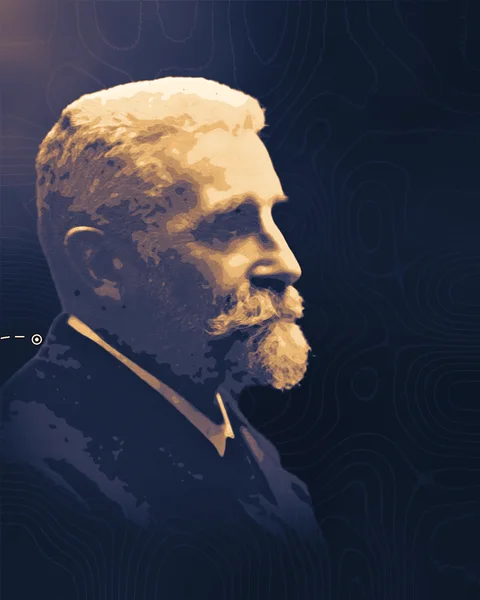
Jacques Bertillon
1851–1922
He drew up the shared list of causes of death, adopted in 1893 and revised every ten years, that became the International Classification of Diseases.
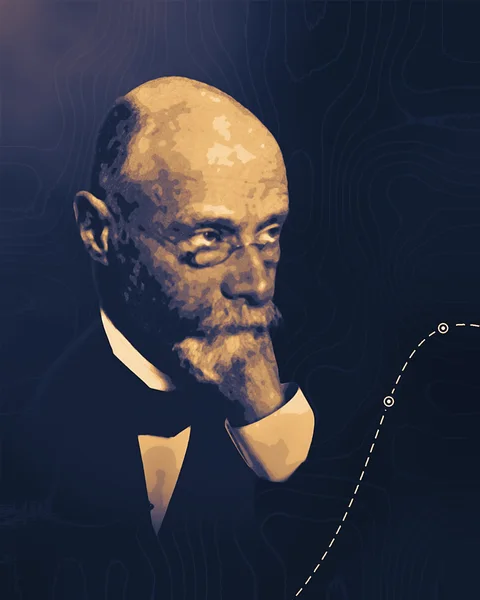
Willem Einthoven
1860–1927
He built the string galvanometer in Leiden, which drew the heart's electric current as a clear trace and made the electrocardiogram a clinical test.
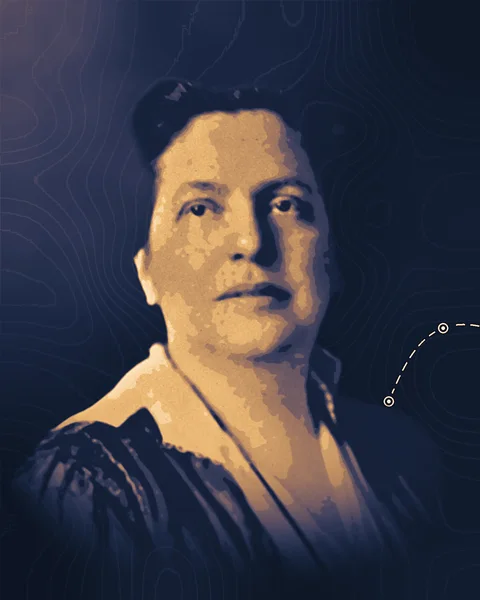
Lillian Wald
1867–1940
She sent trained nurses into New York's tenements, named their work public health nursing, and got it paid for by schools, cities and an insurer.
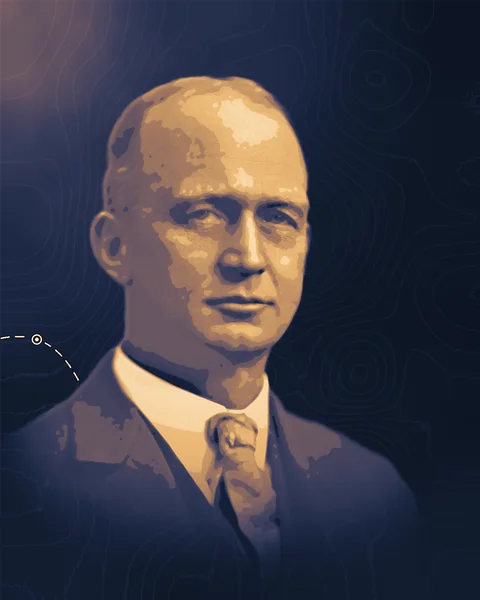
Ernest Amory Codman
1869–1940
A Boston surgeon who held that every hospital should follow every patient long enough to learn whether the treatment worked, published his own failures to show how, and helped start the standards by which American hospitals are accredited.
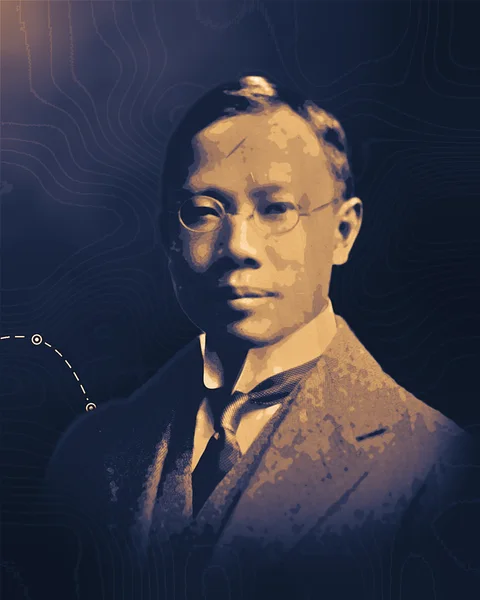
Wu Lien-teh
1879–1960
He led China's fight against the Manchurian plague of 1910–11 with isolation, masks and cremation, then built the country's first standing public health and quarantine services.
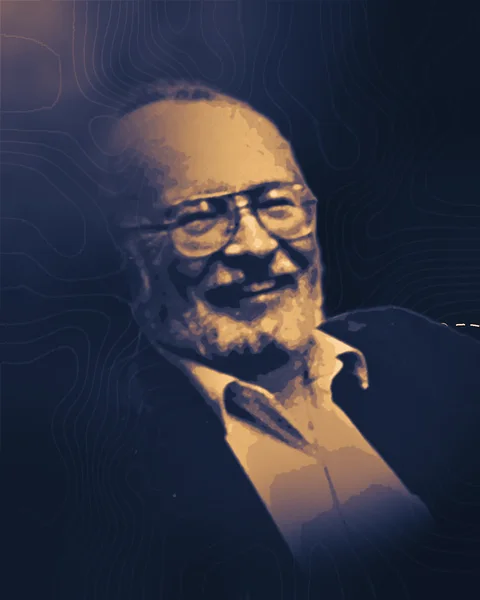
Paul Lauterbur
1929–2007
He showed in 1973 that a magnetic field graded across an object turns nuclear magnetic resonance signals into a picture, the idea magnetic resonance imaging (MRI) is built on.
Advances to build with
2 research notes

NVIDIA GR00T 2
Five demonstrations per task
By NVIDIA's own test, its robot model GR00T 2 averages 95% success after five demonstrations of a task, on 50 tasks picked from those it learns that way.

Mistral Large 4
A trillion open parameters
Mistral published its Large 4 AI model, a trillion numbers by its count, free to download and sell, though firms that rent out models need a separate license.
Open in healthcare
3 of 14 open deliverables
Open · Diagnosis
An outside rerun of MAI-DxO
At least 100 open diagnostic cases made from openly licensed case reports, written up in the format of Microsoft's Sequential Diagnosis Benchmark (SDBench), in which an AI must ask for each fact and test before it names a diagnosis. Every case comes from an article published after the training cutoff of each model tested. Run the benchmark on at least three models, including one with downloadable weights, and publish accuracy and test costs beside Microsoft's.
Built with what exists
the SDBench code; case reports from the PubMed Central Open Access Subset, which can be retrieved through PMC's BioC API or OAI-PMH service, keeping only articles whose license allows reuse; hosted models such as Claude, Gemini or GPT; open-weight models such as Google's MedGemma 27B or Mistral Large 4 (see the Note "A trillion open parameters"). The advance that makes this a small-team job is language models that can play the patient record, revealing only the facts asked for, as SDBench's "gatekeeper" does.
Open · Imaging
Blind-rate AI X-ray reports
A public, blinded rating of AI-written chest X-ray reports on images anyone can download. Run at least four report-writing models, including MedGemma, on the same 300 studies. Mix their reports with the original radiologist's report, hide which is which, and have three radiologists rate each report on the four measures used in the Seoul study: RADPEER (a standard scale for disagreement with a report), clinical acceptability, invented findings and clarity.
Built with what exists
the Indiana University chest X-ray collection, 3,996 de-identified reports with 8,121 images, free to download through the National Library of Medicine's Open-i service; MedGemma 4B and 27B, with downloadable weights; other models from the Seoul study whose weights are public; a simple web form for blinded rating. Because this collection is widely used, list which models say they trained on it and report those separately.
Open · Surgery
A ledger of robot faults
A public table of every report about a surgical robot in MAUDE, the FDA's database of reports about medical device problems, from 2014 to the present, for every maker. Each row gives the date, maker and model, kind of operation, whether a patient was hurt or died, what failed (instrument, arm, camera, software or user), and whether the operation was converted to open surgery or abandoned. Each label quotes the words in the report that support it. The table refreshes itself every week.
Built with what exists
the openFDA device adverse event API, starting from product code NAY, the FDA's code for computer-controlled surgical systems (the code on the da Vinci's 2000 clearance); a language model such as Claude or Gemini to label each report and quote its evidence, with a person checking a sample; Python and DuckDB for the table. The advance that makes this a small-team job is language models that read thousands of free-text reports and fill fixed fields (see the Note "Seven more flagged" and the Note "A thousand questions, one pass").