Industries / Food, farming and forestry
Agriculture and farming
Agriculture is growing crops and raising animals for food, fibre and feed, from preparing the soil to the moment the harvest or the animal leaves the farm.
About 9700 BCE
At Chogha Golan in Iran, one of several early farming sites in the Fertile Crescent, people cultivated wild barley, wheat and lentils from about 11,700 years ago, and domesticated emmer wheat appears by 9,800 years ago (a University of Tübingen team, Science, 2013).
48
Milestones achieved across 7 domains.
18
To watch for: announced, not yet confirmed outside.
14
Open deliverables. Nobody has shipped them.
In one minute
Where it started
Farming began in the Fertile Crescent about 11,700 years ago, and a 2014 review counts at least 11 regions of the world where it arose on its own. For most of its history the work was done by hand and with animals. From the 1800s, machines, factory-made fertiliser and scientific breeding changed it: the reaper, the tractor, fertiliser made from air in 1913, and short-stemmed wheat and rice in the 1960s.
Where it stands
By FAO's count, agriculture, forestry and fishing employed 916 million people in 2023, 26.1% of all workers: 46% of workers in Africa and 5% in Europe. An FAO study counts more than 608 million family farms, and five of every six are smaller than 2 hectares. Large farms steer by satellite and milk by robot, while FAO and the African Union reported that, around 2000, about 80% of Africa's cropland outside South Africa was still prepared by hand.
What is open
Many tasks are still done by hand: picking soft fruit, weeding plants in pots, crossing plants for breeding, and keeping records on small farms. Many sellers' claims are also untested: robot pick rates, soil sensors, irrigation advice and driverless tractors mostly come with the maker's own numbers. Low-cost robot arms, open robot models, and AI models small enough to run on a phone now let a small team build and test many of these jobs.
Domains
AchievedWatch forOpen
Domain
Progress
Last achieved
Watch for
Open
Soil and planting
Getting a field ready to grow: loosening the soil or leaving it undisturbed, feeding it with manure or fertiliser, and putting seed in the ground.
7 · 3 · 2
Last achievedLess nitrogen, more grain2018
Watch forMicrobes in place of fertiliser
2
openCrop breeding
Making better crop varieties and seed: choosing parents, crossing them, and more recently changing a plant's DNA directly.
7 · 3 · 2
Last achievedCourt halts Golden Rice2024
Watch forRobot crosses edited tomatoes
2
openIn depthSeed production
Water and irrigation
Getting water to crops when rain is not enough, and working out how much water each crop uses.
7 · 2 · 1
Last achievedField water use from space2021
Watch forAI irrigation advice in Belgium
1
openWeeds, pests and disease
Keeping weeds, insects and plant diseases from destroying crops, with resistant varieties, chemicals, natural enemies, machines and careful counting.
7 · 2 · 2
Last achievedChina's crop-drone fleet passes 300,0002026
Watch forHalf the spray, fleet-wide
2
openHarvest
Gathering the ripe crop from the field, orchard or greenhouse, by machine or by hand.
6 · 3 · 2
Last achievedAn apple robot shuts down2021
Watch forStrawberry robot learns from demonstrations
2
openLivestock
Raising animals for meat, milk, eggs and fibre: choosing which animals breed, then feeding, housing, milking and keeping them healthy up to the farm gate.
7 · 3 · 3
Last achievedRinderpest wiped out worldwide2011
Watch forMethane additive under review
3
openFarm machinery
The tractor and the general systems it uses to pull, power and steer field work, and the work of keeping it running.
7 · 2 · 2
Last achievedA driverless tractor maker folds2026
Watch forDriverless tillage from Deere kits
2
open
Other narrower industries
Nursery and horticultureCannabis and hempViticultureAgTechGrain elevators and storageCotton ginningAnimal feedBeekeepingCrop dustingIrrigationProduce packingNut and fruit orchardsAg equipment dealersFarm co-ops
Figureheads
15 people
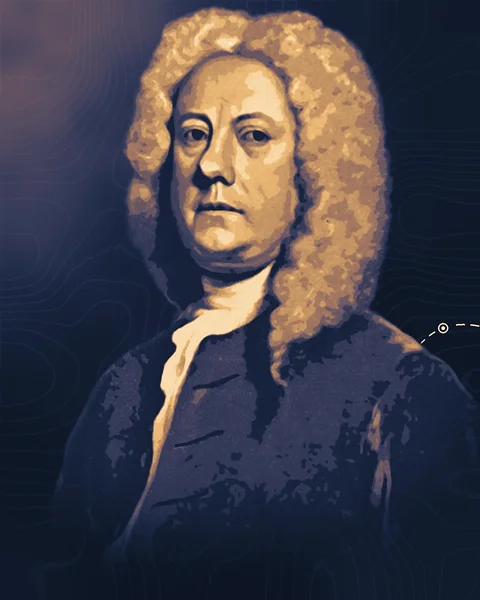
Jethro Tull
1674–1741
He designed a horse-drawn drill that sowed seed in rows, so a hoe could work between them.
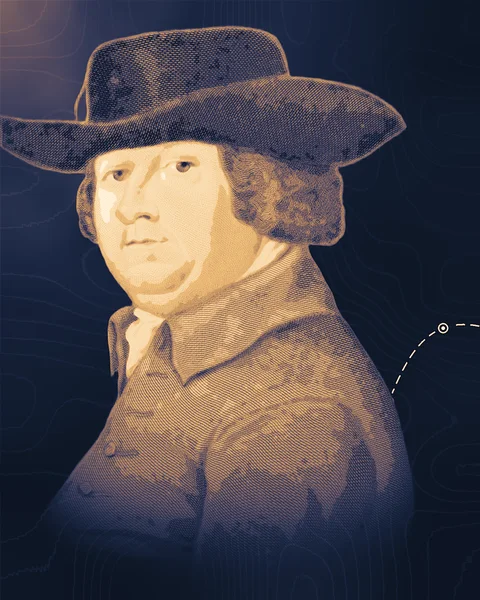
Robert Bakewell
1725–1795
He bred sheep and cattle for meat by planned matings, and made the method widely known.
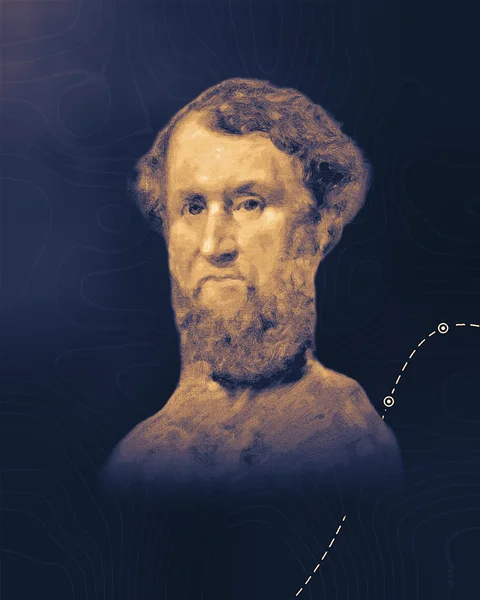
Cyrus McCormick
1809–1884
He built a horse-drawn reaper and the factory and sales system that put it on farms.
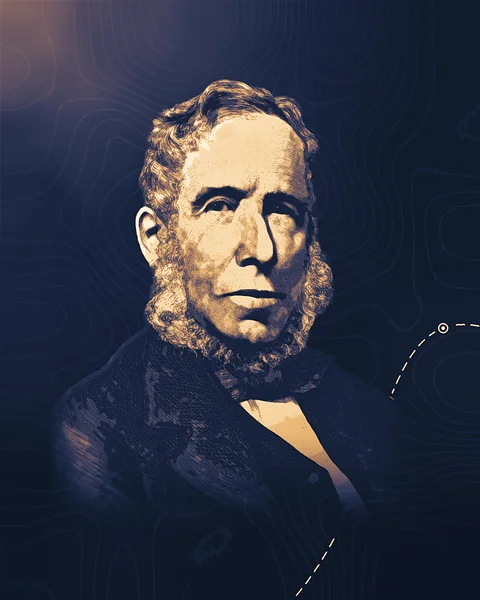
John Bennet Lawes
1814–1900
He patented superphosphate fertilizer and began the field trials at Rothamsted that still run.
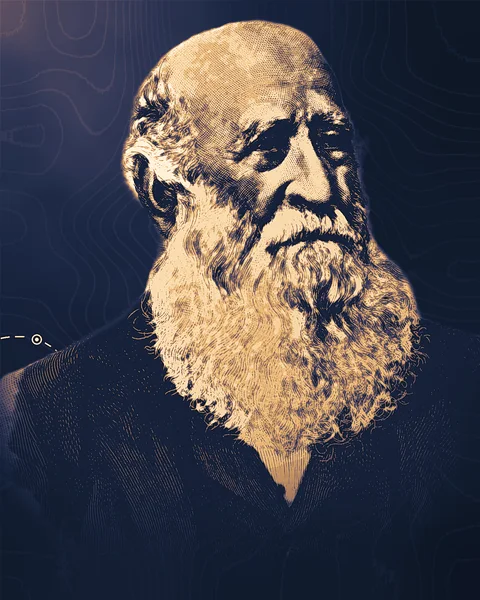
Joseph Henry Gilbert
1817–1901
He ran the Rothamsted laboratory for 58 years and showed that grain crops need nitrogen in the soil.
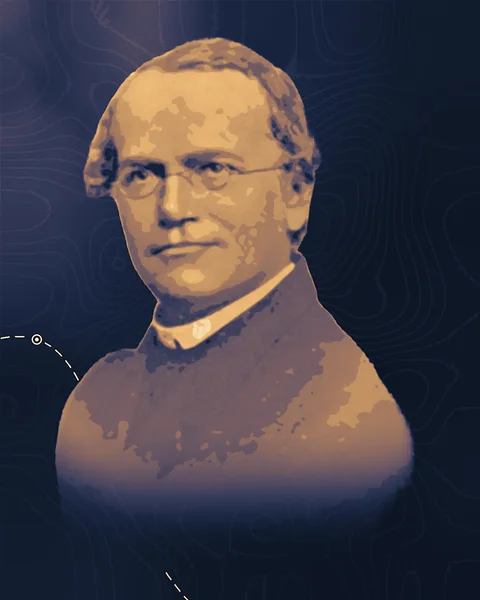
Gregor Mendel
1822–1884
He showed with pea crosses that traits pass from parents to offspring in fixed, countable ratios.
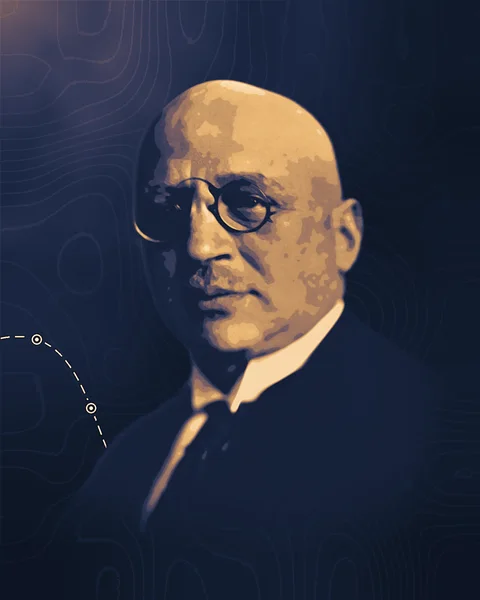
Fritz Haber
1868–1934
He found how to make ammonia from the nitrogen in air, the starting point for synthetic fertilizer.
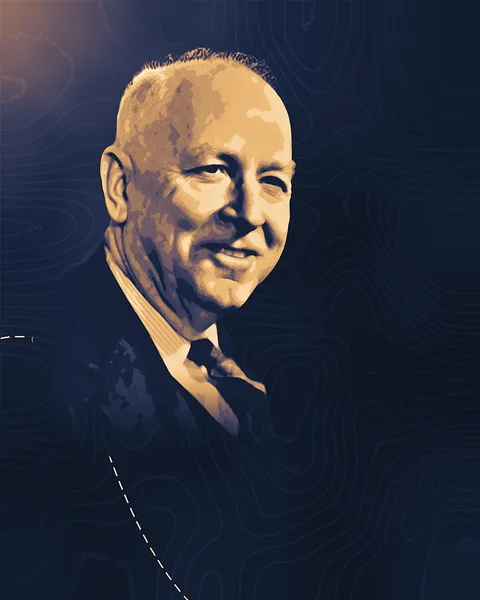
Hugh Hammond Bennett
1881–1960
He made soil erosion a national concern and built the US service and local districts that fight it.
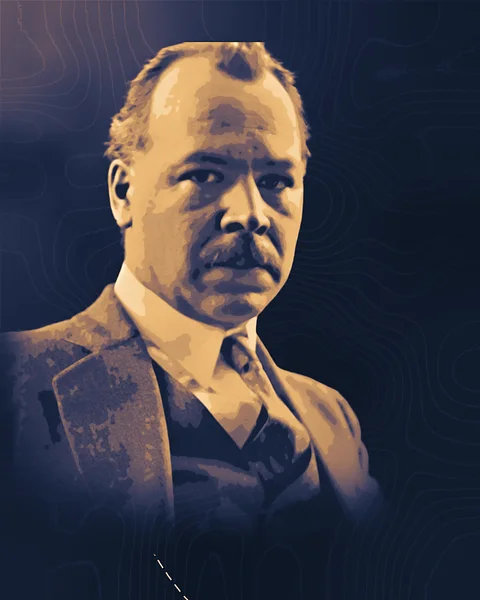
Nikolai Vavilov
1887–1943
He built a world collection of crop seed in Leningrad, the pattern for today's gene banks.
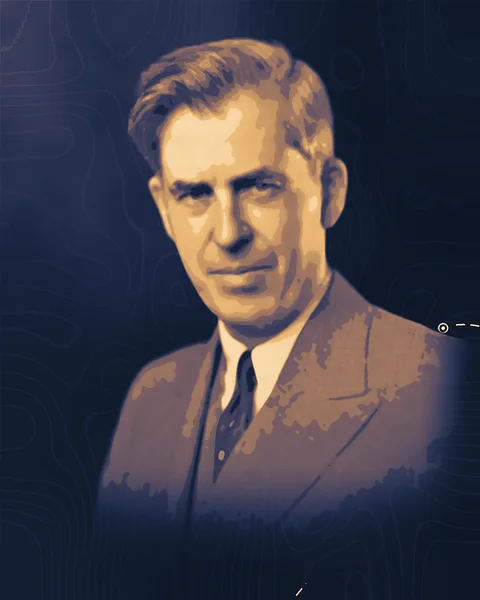
Henry A. Wallace
1888–1965
He turned hybrid corn into seed farmers buy each year, then ran US farm policy through the 1930s.
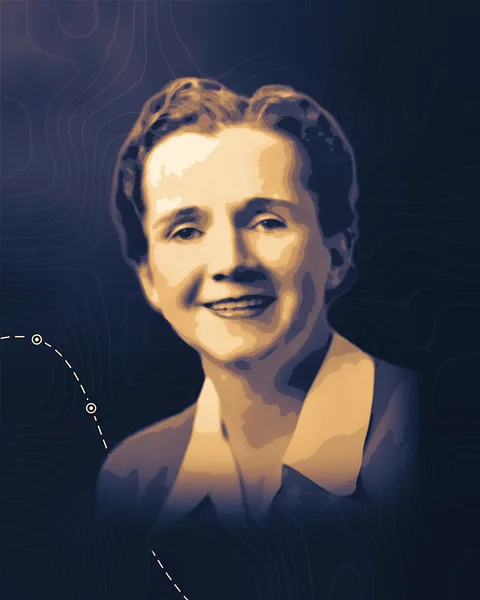
Rachel Carson
1907–1964
Her book Silent Spring made the public and the government question how pesticides are used.
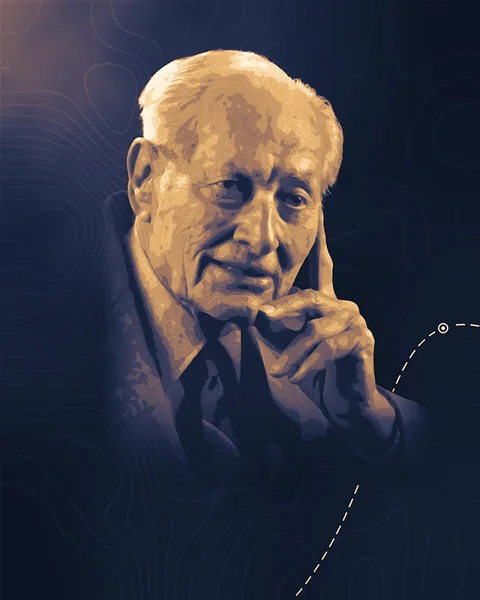
Edward F. Knipling
1909–2000
He worked out how to wipe out an insect pest by releasing sterile males of its own kind.
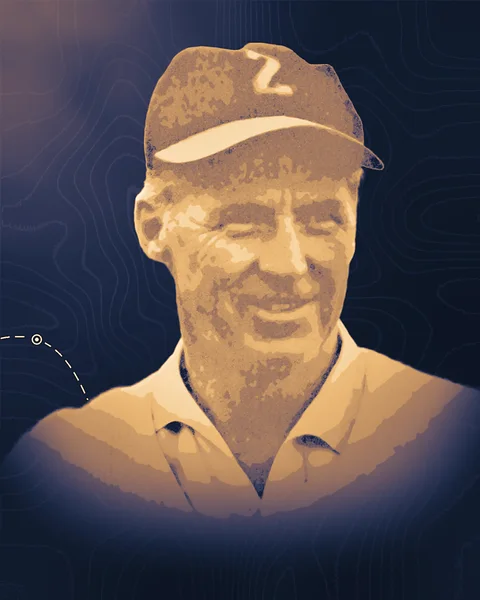
Norman Borlaug
1914–2009
He bred short, rust-resistant wheats in Mexico that raised harvests there and across India and Pakistan.
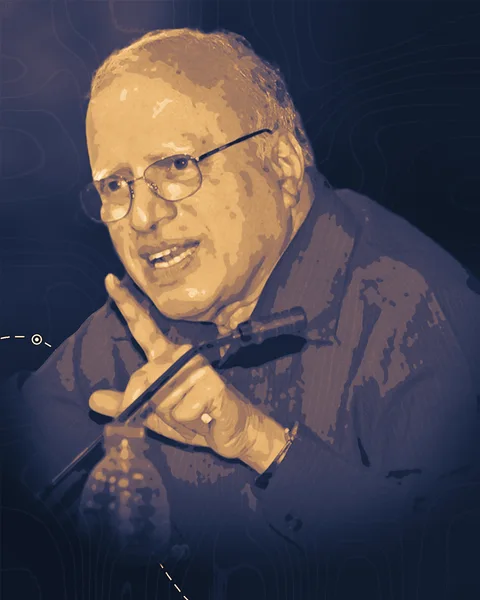
M. S. Swaminathan
1925–2023
He brought Mexico's dwarf wheats into India's fields and built the program that spread them.
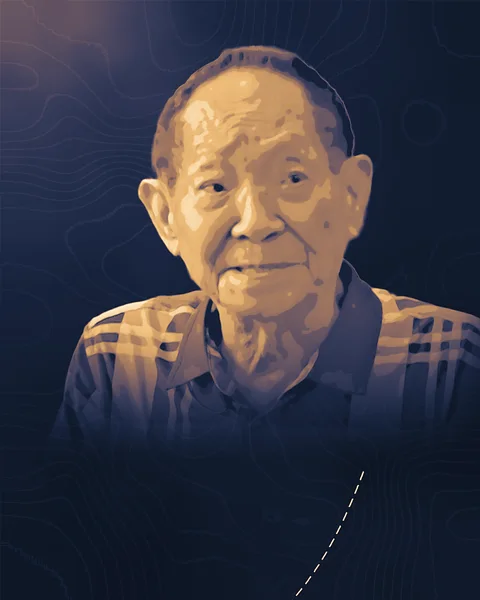
Yuan Longping
1930–2021
He led the work that made hybrid rice a field crop, raising yields about 20 percent.
Advances to build with
1 research note

Open in agriculture and farming
3 of 14 open deliverables
Open · Soil and planting
Score field soil-carbon readings
A field kit and an open scoring sheet for soil organic carbon. Scan soil in the field with a portable near-infrared spectrometer (a device that measures how soil reflects light just beyond what the eye sees) and predict carbon with an open model. Send the same samples to a laboratory and publish how close, how biased and how repeatable the field numbers are.
Built with what exists
The Open Soil Spectral Library v1.3 and its browser-based model app, which needs no coding; a portable near-infrared spectrometer such as the Büchi ProxiScout; a commercial soil laboratory for reference results; a hand soil probe.
Open · Crop breeding
Robot removes tomato anthers
A bench robot arm with a close-up camera and fine tweezers that removes the anthers (the pollen-bearing parts) from buds of ordinary tomato flowers and leaves the pistil (the female part) unharmed. This step, called emasculation, is done by hand before each controlled cross.
Built with what exists
The SO-101 open-design robot arm with Hugging Face's LeRobot software (Notes: "No download"); a control model trained from a few demonstrations with NVIDIA GR00T 2 (Notes: "Five demonstrations per task") or Runway Praxis-1 (Notes: "Open robot model weights"); a USB macro camera; a 3D-printed tweezer gripper; potted cherry tomato plants.
Open · Water and irrigation
Test irrigation advice on plots
A paired-plot trial on a small farm or test garden. One set of plots follows a model-based schedule, such as CROPWAT's daily soil-water balance or a satellite water-use estimate; the other follows the grower's usual schedule. Every plot's water is metered and its harvest weighed.
Built with what exists
FAO CROPWAT 8.0; OpenET for US fields or FAO WaPOR elsewhere; drip lines with an inline water meter on each plot; soil-moisture sensors (Michigan State University's low-cost LOCOMOS system is one design); a scale for the harvest.