Industries / Government, education and community
Nonprofits
Nonprofits are the charities, foundations and aid organizations that raise money from the public and from donors, give grants, and run programs for people in need, without owners who take a profit.
1601
England's Parliament passed the Charitable Uses Act, whose preamble listed the purposes then counted as charitable; the Charity Commission for England and Wales says courts still judge whether a new purpose is charitable by comparing it with that list.
46
Milestones achieved across 7 domains.
11
To watch for: announced, not yet confirmed outside.
15
Open deliverables. Nobody has shipped them.
In one minute
Where it started
In 1601 England's Parliament listed the purposes that counted as charitable, among them the repair of bridges and highways and help for young tradesmen, and courts there still decide new cases by comparison with that list. The 1800s brought a permanent charity regulator in England in 1853 and the International Committee of the Red Cross in Geneva in 1863. Joint fundraising campaigns began in Denver in 1887, and large grant-giving foundations, such as Andrew Carnegie's in 1911, followed.
Where it stands
Americans gave an estimated $617.2 billion to charity in 2025, nearly two thirds of it from individuals, by Giving USA's count, and charities in England and Wales reported £102 billion of income in 2024. Government aid moved the other way: aid from the OECD's donor countries fell 23.1% after inflation in 2025, the largest drop it has recorded, and humanitarian aid fell 35.8%, in the year the United States closed its aid agency, USAID. Aid groups have begun to use AI chatbots to answer people's questions and AI flood forecasts to send cash before floods, so far measured mostly by the groups themselves.
What is open
Much of the checking in this field is still done by hand or not at all: whether the cost claims in appeals hold up, whether help directories list the right hours, whether aid agencies did what their evaluations told them to, and what small charities' accounts say. AI models that read long documents, web agents that check websites, and free open data from regulators, the aid data standard IATI and the grants standard 360Giving put these jobs within reach of one person or a small team. Other open jobs are tests that need careful design more than money, such as how well chatbots answer aid questions in Kinyarwanda, or whether AI role-play trains volunteers as well as staff do.
Domains
AchievedWatch forOpen
Domain
Progress
Last achieved
Watch for
Open
Fundraising
Charities ask the public, companies and wealthy donors for money, by letter, phone, event, text message and online.
6 · 1 · 2
Last achievedFundraising gets a regulator2016
Watch forSaying "AI" costs gifts
2
openGrants
Foundations and other funders give money to charities and projects, decide whom to fund, and set the terms.
6 · 2 · 2
Last achievedBig gifts without strings2025
Watch forGates Foundation to close
2
openIn depthFoundations
Program delivery
Charities and aid groups run services for people directly: food, cash, small loans, training, advice and places to meet.
7 · 2 · 2
Last achievedAid answers, tested by language2025
Watch forAn AI help desk
2
openVolunteers
Charities recruit, train, match and keep unpaid helpers, who do much of the work in many organizations.
7 · 2 · 2
Last achievedFewer regular volunteers2024
Watch forFeedback makes practice count
2
openMeasuring results
Evaluators, researchers and raters try to find out whether a charity's programs work, what they cost per result, and how charities compare.
6 · 1 · 2
Last achievedPaid only for results2017
Watch forAI as a research critic
2
openDisaster relief
Aid groups get food, water, shelter, medical care and cash to people hit by wars, earthquakes, floods and famines, as fast as they can.
7 · 1 · 2
Last achievedAid funding drops 35%2025
Watch forForecasts that pay out early
2
openFinance and reporting
Charities keep accounts, file yearly returns with regulators and tax offices, and publish figures so that donors and the public can see where money went.
7 · 2 · 3
Last achievedTax returns become data2016
Watch forOne accounting standard worldwide
3
open
Other narrower industries
Trade associationsReligious organizationsLabor unionsFood banksThink tanksStandards bodies
Figureheads
8 people
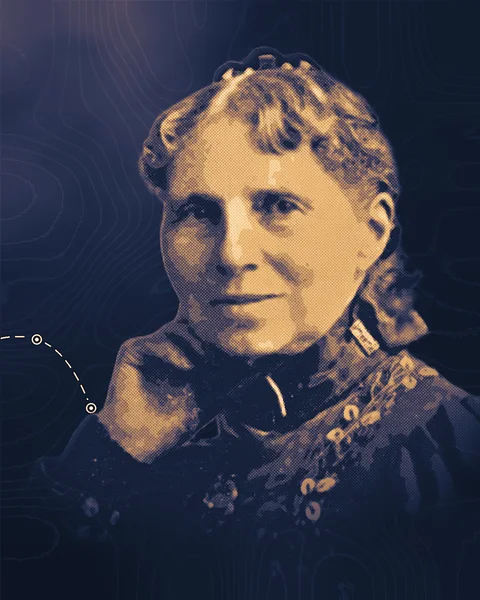
Clara Barton
1821–1912
She founded the American Red Cross and led it for 23 years, and turned it from war relief toward help after floods, fires and other disasters in peacetime.
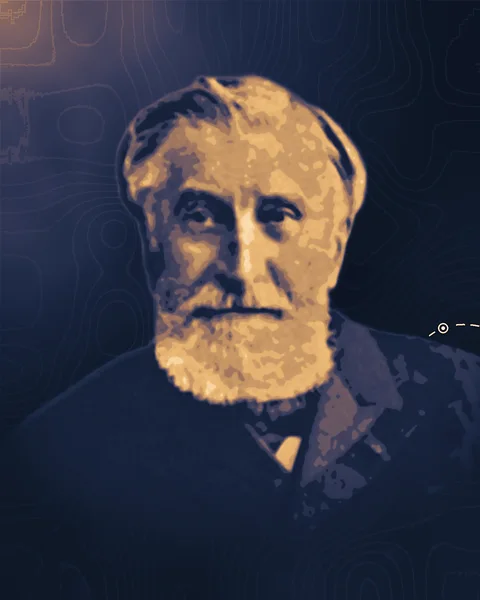
Gustave Moynier
1826–1910
A Geneva lawyer, he turned Henry Dunant's idea into a working organization and led the International Committee of the Red Cross for its first 46 years.
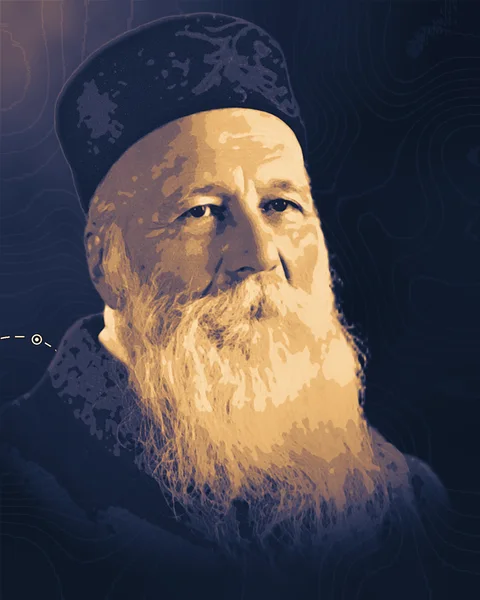
Henry Dunant
1828–1910
He proposed national relief societies of trained volunteers for the wounded of war, and helped found the Geneva committee that became the Red Cross.
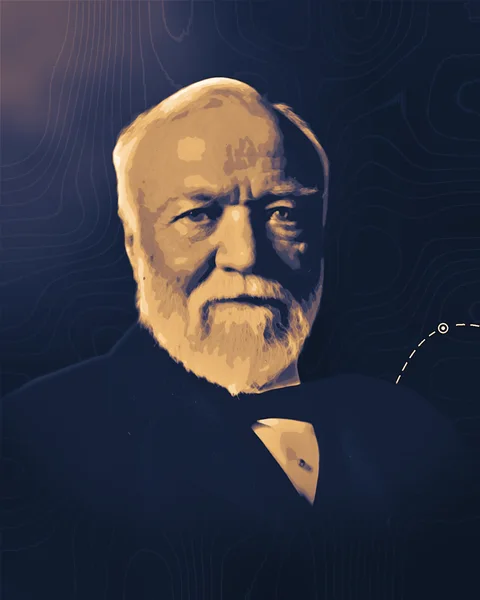
Andrew Carnegie
1835–1919
He argued that the rich should give their fortunes away while they lived, and set up the large trustee-run foundation that later grantmakers copied.
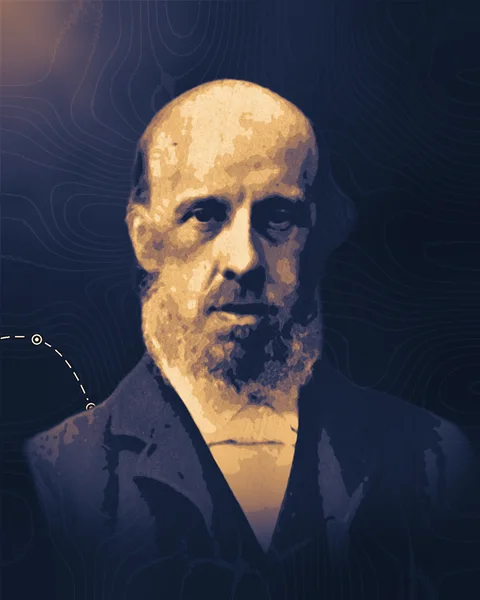
Samuel Barnett
1844–1913
A Whitechapel vicar, he proposed that university graduates live as volunteers in a poor district, and with his wife Henrietta opened Toynbee Hall, the first university settlement.
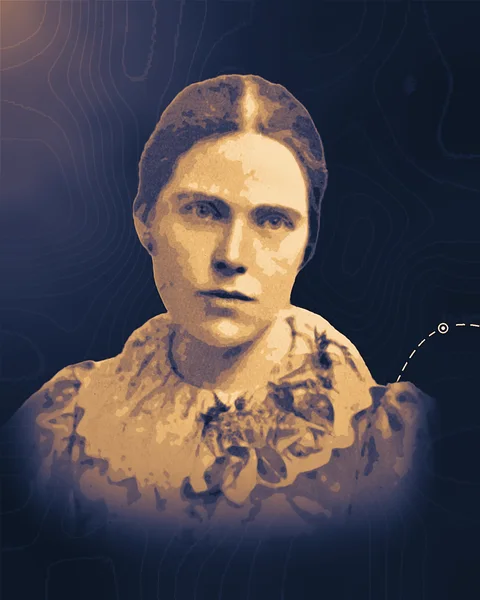
Henrietta Barnett
1851–1936
She co-founded Toynbee Hall with her husband Samuel, started the scheme that became the Children's Country Holiday Fund, and ran volunteer work for the girls and women of Whitechapel.
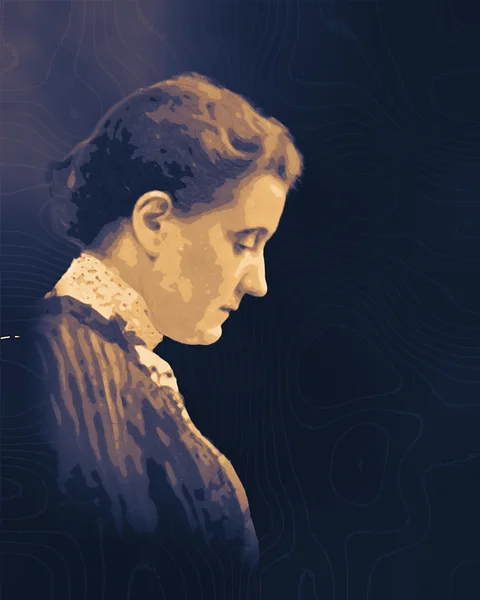
Jane Addams
1860–1935
With Ellen Gates Starr she opened Hull-House in Chicago, where charity workers lived among their neighbors and built programs around what those neighbors asked for.
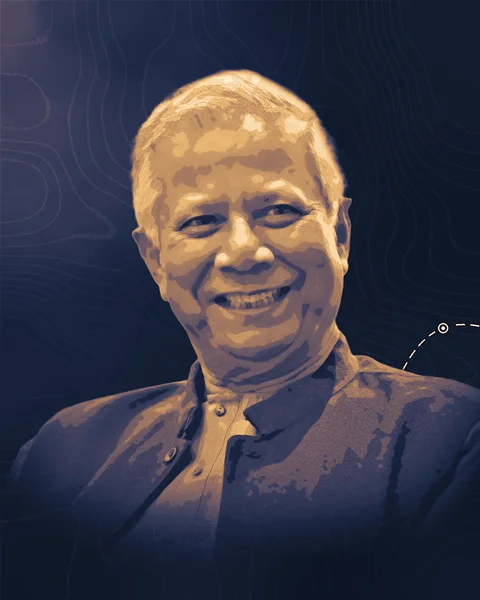
Muhammad Yunus
born 1940
A Bangladeshi economist, he built the Grameen Bank's way of lending small sums to poor village women in groups without collateral, which was copied around the world as microcredit.
Open in nonprofits
3 of 15 open deliverables
Open · Fundraising
Check appeal price tags
A public dataset of the cost claims charities make in appeals, such as "£15 pays for a night in a shelter", each matched to a figure the charity has published or marked as unsupported. Collect only public material: web pages, social posts and newsletters anyone can sign up for. Before publishing, send each charity its results and a chance to point to its evidence.
Built with what exists
A web agent to collect appeal pages and sign up for newsletters (see the Note "Deleting 80% to start over"); an AI model such as Claude or Gemini to pull out each cost claim; the Charity Commission's public register to find each charity's published accounts; a spreadsheet for two human reviewers.
Open · Grants
Open grants data for Europe
Grant-by-grant open data for one country in continental Europe, in the 360Giving Data Standard's format, built from foundations' annual reports and project lists. Each row records who gave, who received, how much, when and for what, with a link to the page it came from.
Built with what exists
The 360Giving Data Standard and its spreadsheet template, which anyone may copy and adapt; organization identifiers that link each recipient to an official register; an AI model that reads PDF reports, such as Gemini or Claude; Python.
Open · Program delivery
Audit help listings
A check of a large directory of food pantries or social services, such as one region's 211 listings or a statewide pantry list. An agent reads each provider's own website and social posts and flags where the listed address, hours or eligibility rules differ; a person confirms each flag with a short call. The output is an error rate for each field and a list of corrections sent to the directory.
Built with what exists
A web agent such as Browser Use (see the Note "Deleting 80% to start over"); Python and a spreadsheet; Open Referral's open data standards for service listings, so corrections reach directories in a form they can load.