Industries / Energy, water and waste
Water and wastewater
Water and wastewater is the work of finding water, cleaning it to drinking standard and piping it to homes and businesses, then collecting the used water and cleaning it before it goes back to rivers and the sea.
312 BCE
Rome's Aqua Appia, a channel built under the censor Appius Claudius, brought water into the city; Frontinus, Rome's water commissioner from 97 CE, records that for 441 years before it Romans had drawn their water from the Tiber, wells and springs.
48
Milestones achieved across 7 domains.
12
To watch for: announced, not yet confirmed outside.
14
Open deliverables. Nobody has shipped them.
In one minute
Where it started
Rome piped water into the city by aqueduct from 312 BCE, and by 97 CE it had a water commissioner, Frontinus, who audited the system and wrote down how it worked. The modern industry took shape in 19th-century Britain and Europe: sand filters cleaned a public supply in London from 1829, John Snow tied cholera to water in 1854, and London built its sewers after the Great Stink of 1858. Chlorine, used as the main disinfectant of a city supply at Jersey City in 1908, made tap water safe at scale.
Where it stands
Most cities filter and disinfect their water, and large plants clean sewage with activated sludge, a 1914 method that puts microbes to work on the waste. The hard problems now are old pipes and new chemicals: the US has ordered its lead service lines replaced within 10 years, the EU has capped PFAS ("forever chemicals") in drinking water since January 2026, and a 2018 estimate put the water lost from networks worldwide at 126 billion cubic meters a year. Cities short of water drink purified sewage, as Windhoek has since 1968 and Singapore since 2003, or desalinated seawater, as Israel does at plants such as Sorek.
What is open
Much of the daily work is still done by eye and by hand: dosing tests on the lab bench, naming bacteria under a microscope, probing membrane vessels, checking which homes still have lead pipes. The open jobs below put robots, small AI models and software agents on those tasks, and turn public data into warnings that nobody yet publishes, such as how many days of water a city has left. One AI tool, aeration control at Veolia's French sewage plants, has been measured by outside economists; most others are known only from their makers.
Domains
AchievedWatch forOpen
Domain
Progress
Last achieved
Watch for
Open
Sources and intake
Finding raw water and bringing it to a city: building aqueducts, dams and reservoirs, drilling wells, protecting the land that drains into a supply, and planning for drought.
7 · 1 · 2
Last achievedCape Town nears Day Zero2018
Watch forRadar satellite tracks sinking aquifers
2
openDrinking water treatment
Making raw water safe to drink: straining out particles, killing germs, and meeting the limits regulators set for harmful substances.
7 · 2 · 2
Last achievedEU caps PFAS in water2026
Watch forEPA proposes narrower PFAS rule
2
openPipes and leaks
Carrying treated water under pressure from the plant to every tap, through large pipes under the streets (mains) and smaller service lines into each building, and finding and fixing the leaks along the way.
7 · 2 · 2
Last achievedSatellites screen a whole state2026
Watch forSatellite leak hunt in London
2
openSewers
Collecting used water from toilets, sinks and factories, and in many older cities rainwater too, and carrying it through underground pipes and tunnels to a treatment plant.
7 · 2 · 2
Last achievedCounting and catching overflows2025
Watch forRobot inspects the super sewer
2
openWastewater treatment
Cleaning sewage at a plant: solids settle out, microbes eat the dissolved waste, and the cleaned water goes back to a river or the sea without harming it.
7 · 2 · 2
Last achievedProducers asked to pay2024
Watch forCourt may drop producer payments
2
openReuse and desalination
Making new drinking water from treated sewage (water reuse) and from seawater or salty groundwater (desalination), mostly with reverse osmosis, which pushes water at high pressure through a membrane that holds back salt and contaminants.
7 · 2 · 2
Last achievedCalifornia writes direct reuse rules2024
Watch forDesalination on the seabed
2
openRunning a plant
The daily work of keeping treatment and pumping going: testing the water, adjusting the process, keeping records, and protecting the controls.
6 · 1 · 2
Last achievedAI aeration measured at scale2026
Watch forAI pilots at Hampton Roads
2
open
Narrower industries
DesalinationWater well drillingPortable toilets and septic
Figureheads
5 people
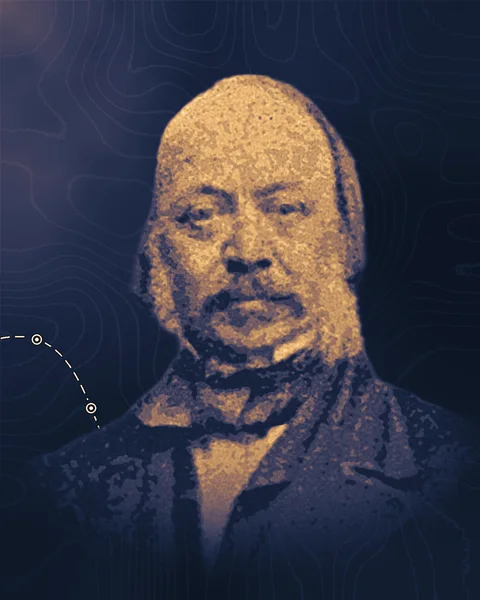
Edwin Chadwick
1800–1890
His 1842 report argued that towns should carry away their sewage in water through cheap closed pipes and bring clean water into every house, the plan that sanitary systems were built on.
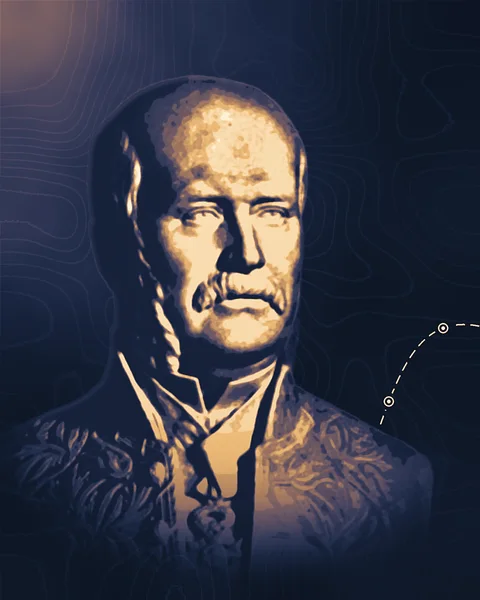
Eugène Belgrand
1810–1878
He brought spring water to Paris by aqueducts from the Dhuis and the Vanne, kept it in a supply separate from river water, and built the city's network of large walk-through sewers and collectors.
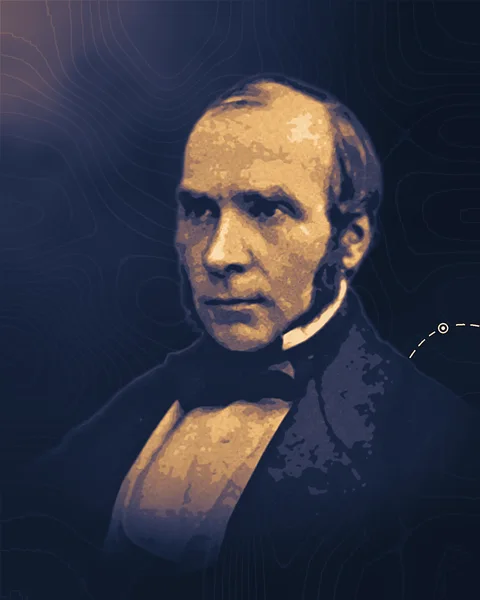
John Snow
1813–1858
He showed, by tracing cholera deaths to a street pump and to one water company's supply, that the disease spreads through drinking water fouled by sewage.

Joseph Bazalgette
1819–1891
He designed and built London's main drainage, intercepting sewers that caught the city's sewage before it reached the Thames and carried it east to pumping stations and outfalls.

George Warren Fuller
1868–1934
He worked out at Louisville how to clean a muddy river by settling, alum and fast sand filters, and with John L. Leal he put chlorine into a large American city's water for good.
Advances to build with
1 research note
Open in water and wastewater
3 of 14 open deliverables
Open · Sources and intake
Days of water left
A public page giving, for each of 50 cities that rely mainly on reservoirs, the number of days its stored water would last at current use, updated monthly. It links each city to the reservoirs that serve it, takes storage from satellite records, and takes demand from the utility's own reports.
Built with what exists
Global Water Watch data; utility annual reports and drought plans, gathered by a web agent (see the Note "Deleting 80% to start over"); a second AI model that flags doubtful reservoir-to-city links for a person to check (see the Note "Seven more flagged"); Python.
Open · Drinking water treatment
A jar test that chooses
A bench rig that runs jar tests and picks its own next doses. A jar test is the standard way a plant finds the right dose of coagulant, a chemical that makes fine particles clump and settle: several beakers of raw water get different doses, are stirred and left to settle, and the clearest wins. The rig would read each round's results and choose the doses for the next round itself.
Built with what exists
A programmable six-jar stirrer; peristaltic or syringe pumps run from a Raspberry Pi or Arduino; an inline turbidity meter; Bayesian optimization, a method that picks the most informative next experiment, from open-source libraries such as BoTorch and Ax; a camera and a vision model to grade floc (the clumps) as they form.
Open · Pipes and leaks
Score the satellite leak flags
A standard way to score satellite leak detection, and the first public score for one program: how many flagged spots had a leak, how many were dry, and what share of all the leaks found in the same period the satellite had flagged.
Built with what exists
Public records requests to the New Mexico Environment Department and participating utilities for flag lists, field-check results and repair orders; Python; an open map.