Industries / Mining and materials
Pulp and paper
Pulp and paper turns wood and recycled fiber into pulp, and pulp into paper, board and tissue.
105 CE
Ts'ai Lun, an official of the Chinese imperial court, reported the invention of paper to the emperor; archaeological finds at Dunhuang place the first paper about 200 years earlier.
28
Milestones achieved across 6 domains.
10
To watch for: announced, not yet confirmed outside.
6
Open deliverables. Nobody has shipped them.
In one minute
Where it started
Papermaking is traditionally dated to 105 CE in China, when the court official Ts'ai Lun reported it to the emperor, though older fragments exist. For centuries paper was made one sheet at a time from hemp, bark and rags. The modern industry took shape between 1799 and 1884, with a machine that made paper as a continuous roll, a grindstone that turned logs into pulp, and chemical cooking that freed the fibers in wood.
Where it stands
Kraft cooking, patented in 1884, makes most chemical pulp, and its recovery boiler returns the cooking chemicals to the mill and raises its steam. The largest single pulp line, opened by Suzano in Brazil in 2024, can make 2.55 million tonnes a year. Europe recycled 75.1% of the paper and board it used in 2024, by figures that an outside auditor checks.
What is open
The open jobs below are mostly about data and lab work, not new machines. Mills keep their camera images, incident records and energy data to themselves, and the standard lab test sheet is still moved from former to dryer by hand. Carbon capture at recovery boilers, steam heat pumps and forming paper with air instead of water are all in trials, waiting for numbers from someone other than their developers.
Domains
AchievedWatch forOpen
Domain
Progress
Last achieved
Watch for
Open
Pulping
Pulping separates wood into loose fibers, either by grinding it or by cooking it in chemicals that dissolve lignin, the natural glue that holds the fibers together.
7 · 2 · 1
Last achievedWorld's largest single pulp line2024
Watch forA 3.5 million tonne line
1
openChemical recovery
Chemical recovery burns black liquor, the spent cooking liquor of a kraft mill, to recover its sodium and sulfur for reuse and to raise steam and power.
5 · 1 · 1
Last achievedGasification proven, never built2023
Watch forCapturing recovery boiler CO2
1
openThe paper machine
The paper machine turns a dilute mix of fiber and water into a continuous sheet by draining it on a moving wire, pressing out more water, and drying it on heated cylinders.
5 · 2 · 1
Last achievedThe shoe press1981
Watch forForming tissue with air
1
openRecycled fiber
Recycled fiber is pulp made from used paper and board, which is collected, baled, broken down in water, cleaned of plastic and other trash and, for some grades, de-inked.
4 · 1 · 1
Last achievedThree quarters comes back2024
Watch forSelf-adjusting recycled fiber lines
1
openEnergy and water
Making pulp and paper takes large amounts of heat, power and water; this work covers how mills make their own energy, cut fossil fuel, and clean the water they return.
4 · 2 · 1
Last achievedEnergy prices stop machines2022
Watch forSteam from a heat pump
1
openQuality control
Quality control measures pulp and paper during and after production so that each roll meets its specification for weight, moisture, strength and defects.
3 · 2 · 1
Last achievedCameras find where breaks begin2020
Watch forStrength predicted between lab tests
1
open
Figureheads
5 people
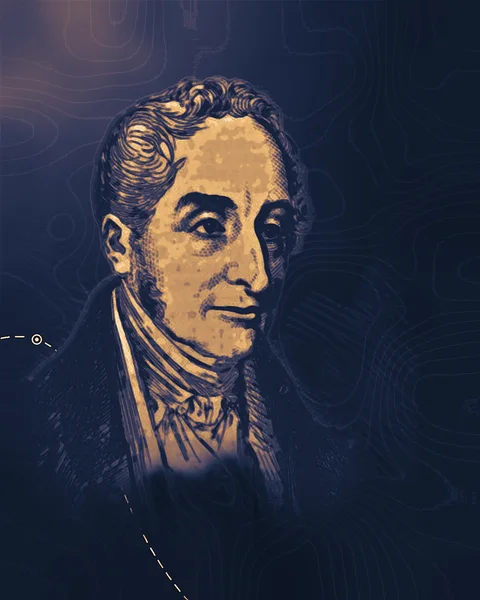
Henry Fourdrinier
1766–1854
A London stationer who, with his brother Sealy, paid for turning Robert's model into a working paper machine and was ruined by it; the machine still carries their name.
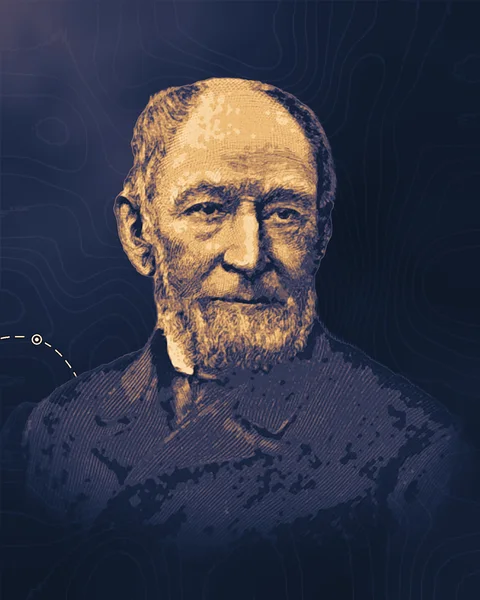
Friedrich Gottlob Keller
1816–1895
A Saxon weaver who ground wood against a wet grindstone and showed that the fibre it gave could be made into paper.
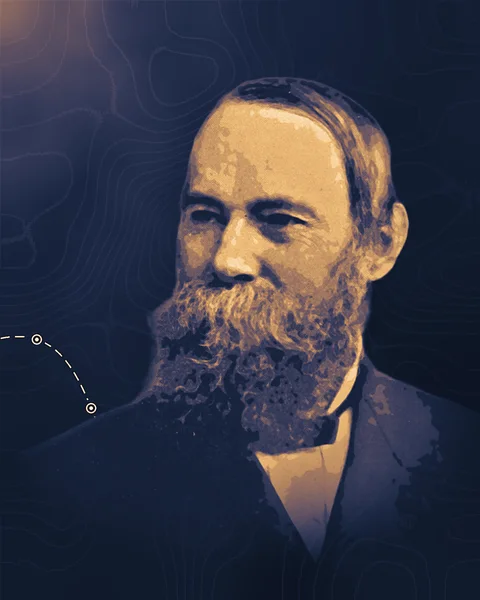
Benjamin Chew Tilghman
1821–1901
A Philadelphia inventor who found that sulfurous acid turns wood into paper pulp and patented the sulfite process, which others later made pay.
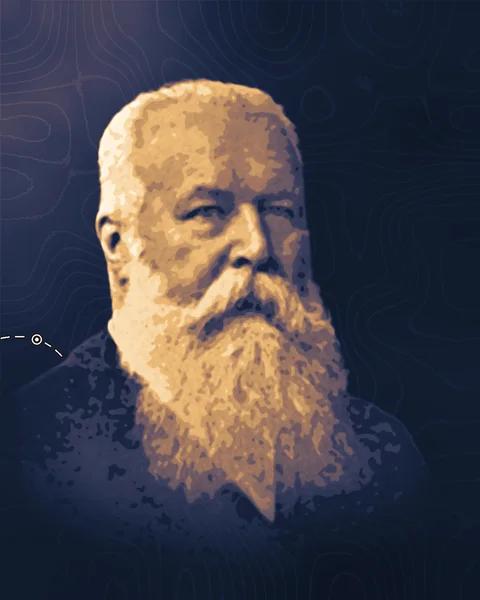
Alexander Mitscherlich
1836–1918
A German chemistry professor who built sulfite cooking of wood into a working factory process and licensed it to the mills that founded Germany's pulp industry.
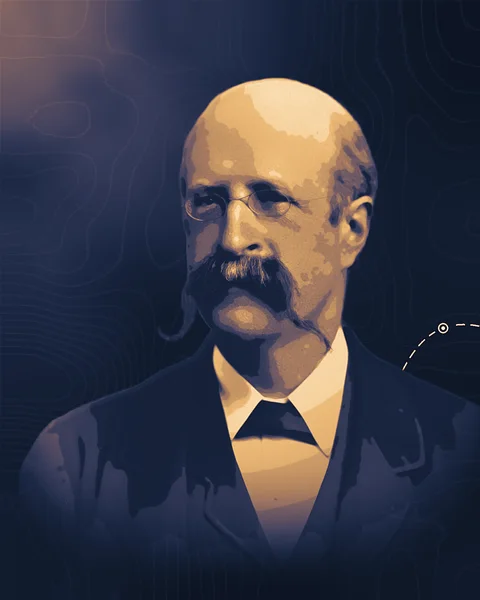
Carl Daniel Ekman
1845–1904
A Swedish chemist who made sulfite cooking of wood work on a mill scale at Bergvik in 1874 and took the process to England.
Advances to build with
1 research note

Open in pulp and paper
3 of 6 open deliverables
Open · Pulping
Robot for the handsheet test
A robot arm that does the hand steps of making handsheets, the standard lab sheets made from a pulp sample to test its strength. The arm places a carrier board on the wet sheet, rolls it with the couch roll (a light roller that lifts the sheet off the wire), lifts and flips the forming screen, covers the sheet and loads it into the dryer.
Built with what exists
An automatic Rapid-Köthen sheet former; a low-cost arm supported by Hugging Face's open LeRobot software, such as the SO-101 (Note: "No download"); a robot policy fine-tuned from a few demonstrations, such as NVIDIA GR00T 2 (Note: "Five demonstrations per task") or Runway Praxis-1 (Note: "Open robot model weights").
Open · Chemical recovery
A public recovery boiler incident set
A public, structured dataset of recovery boiler incidents drawn from reports that regulators already publish. Each incident is coded for the part of the boiler involved, the cause (for example a tube leak or a smelt-water reaction), whether an emergency shutdown was used, and the outcome, with a short guide to the coding.
Built with what exists
A language model that reads PDF reports and fills a fixed form, such as Claude (Note: "Seven more flagged" covers a similar document-review job); a spreadsheet or SQLite database; two people who check a sample by hand.
Open · The paper machine
Airlaid against wet-formed tissue
A public, side-by-side test of tissue made from the same pulp on an air-forming pilot line and on a conventional wet-forming pilot machine, with strength, bulk, absorbency and water used per tonne measured the same way for both.
Built with what exists
Rented time on VTT's AirLaid pilot line and on a wet-forming pilot machine; tissue tests from the ISO 12625 series run at an accredited paper lab; a shared spreadsheet for raw results.