Industries / Mining and materials
Plastics and rubber
The plastics and rubber industry shapes plastic and rubber into finished products such as molded parts, pipe, film, bottles, seals and tires.
1820
In London, Thomas Hancock built the masticator, a toothed rotor turned inside a toothed drum that tore up scrap rubber so it could be reworked; a standard processing textbook calls it the earliest documented rubber-processing machine.
46
Milestones achieved across 7 domains.
18
To watch for: announced, not yet confirmed outside.
15
Open deliverables. Nobody has shipped them.
In one minute
Where it started
The machines that shape plastic today began in the rubber trade. Hancock's masticator of 1820, heat-and-sulfur curing in 1839 to 1844, and ram extruders that coated wire with gutta-percha in the 1840s came first. Plastics followed: celluloid gave the industry its first injection molding patent in 1872.
Where it stands
Plastics Europe counts 430.9 million tonnes of plastics produced worldwide in 2024. By its count, 9.5% of that was mechanically recycled post-consumer plastic, which means used products re-melted rather than broken down chemically. Machines now report shot-by-shot data through a shared standard, EUROMAP 77, and at the K 2025 trade fair several makers showed machines that adjust their own settings. No one outside the makers has yet measured those machines. EU law sets minimum recycled content for plastic packaging from 2030.
What is open
Setting up a new mold, choosing a fix for a defect, polishing a mold and grading recycled plastic still rest on a skilled person's eye and hand. The open jobs below are mostly public datasets and fair tests: a robot polisher against a hand polisher, setup software against a human setter, a recall check that reads any tire's code, and low-cost checks of recycled material. Small open AI models, open robot-training tools and cheap sensors put each one within reach of a small team.
Domains
AchievedWatch forOpen
Domain
Progress
Last achieved
Watch for
Open
Injection molding
Injection molding melts plastic pellets and forces the melt under pressure into a closed, cooled mold, where it hardens into a part.
7 · 3 · 2
Last achievedOne data format for machines2016
Watch forA cell that sets itself
2
openExtrusion and film
Extrusion pushes softened plastic through a shaped opening, called a die, to make long products such as pipe, cable coating, sheet and film.
7 · 3 · 2
Last achievedOxo-degradable plastic banned2019
Watch forThinner stretched polyethylene film
2
openBottles and blow molding
Blow molding inflates a hot plastic tube, or a test-tube-shaped "preform", inside a mold to make hollow parts such as bottles, jugs, drums and fuel tanks.
6 · 3 · 2
Last achievedCaps stay on bottles2024
Watch forLighter bottles in recycled PET
2
openTires and rubber goods
This work turns natural and synthetic rubber into finished products: tires first, then hoses, belts, seals, gloves and molded parts, by mixing the rubber with fillers and chemicals, shaping it, and heating it until it sets.
7 · 2 · 3
Last achievedA tire additive kills salmon2020
Watch forA 6PPD replacement
3
openMold making
Mold making is the design and building of the steel or aluminum molds that molding machines fill, including their channels for melt and cooling water.
6 · 2 · 2
Last achievedPrinted plastic molds2014
Watch forMolds designed by software
2
openRecycling
Recycling collects used plastic and rubber, sorts it by material, cleans it, and turns it back into pellets or crumb that factories can shape into new products.
7 · 3 · 2
Last achievedScrap tires mostly reclaimed2023
Watch forInvisible codes for sorting
2
openQuality checks
Quality work makes sure shaped plastic and rubber parts come out right: testing the material, watching the process while parts are made, measuring and inspecting finished parts, and running the written systems that customers audit.
6 · 2 · 2
Last achievedUS rules adopt ISO 134852026
Watch forAI grades parts from pressure
2
open
Narrower industries
Composites and carbon fiberTires
Figureheads
8 people
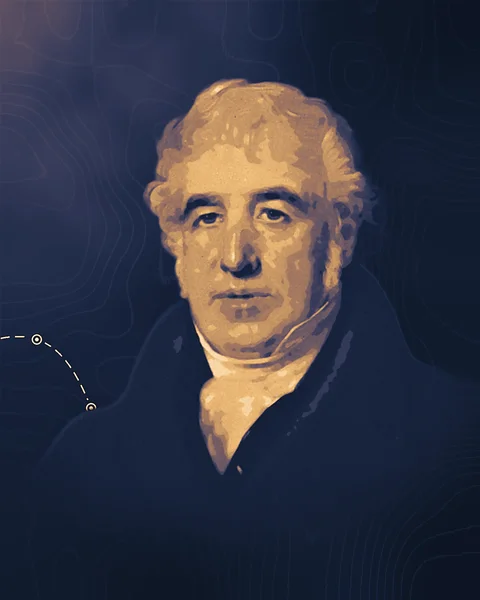
Charles Macintosh
1766–1843
He dissolved rubber in coal-tar naphtha and used it to stick two cloths together, the waterproof fabric that gave the rubber trade its first large product.
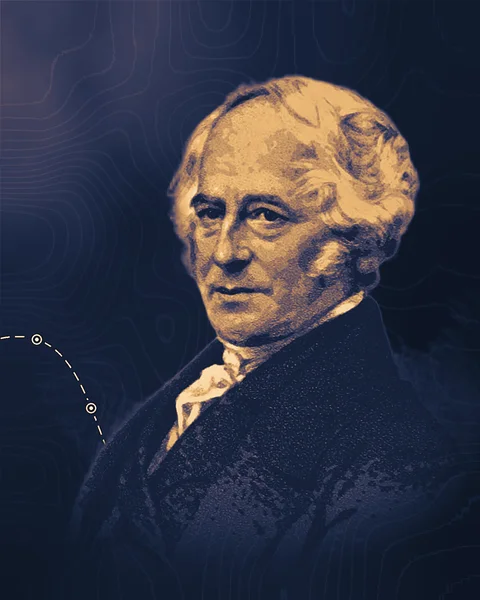
Thomas Hancock
1786–1865
He built the first machine that worked raw rubber into a usable mass, and he took out the British patent for curing rubber with sulfur.
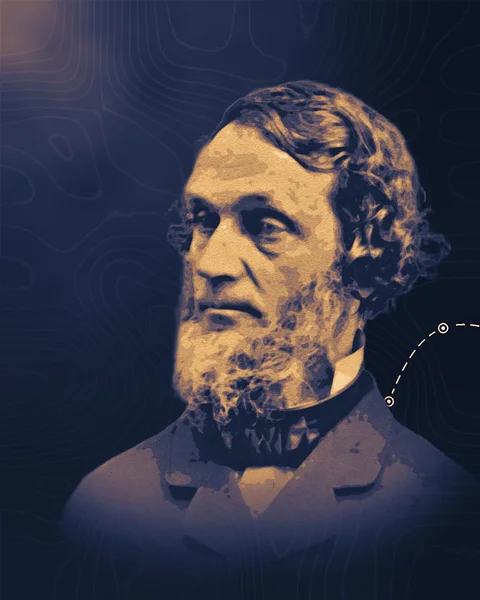
Charles Goodyear
1800–1860
He found that heating rubber with sulfur makes it tough and stable in heat and cold, the step now called vulcanization.
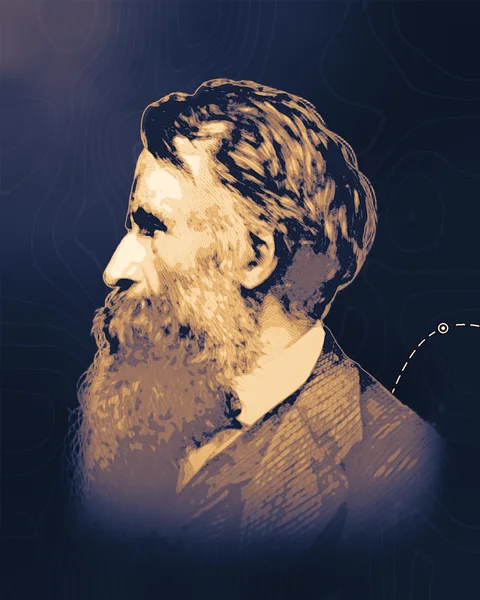
Robert William Thomson
1822–1873
He patented the air-filled tyre in 1845, forty-three years before the bicycle made a market for it.
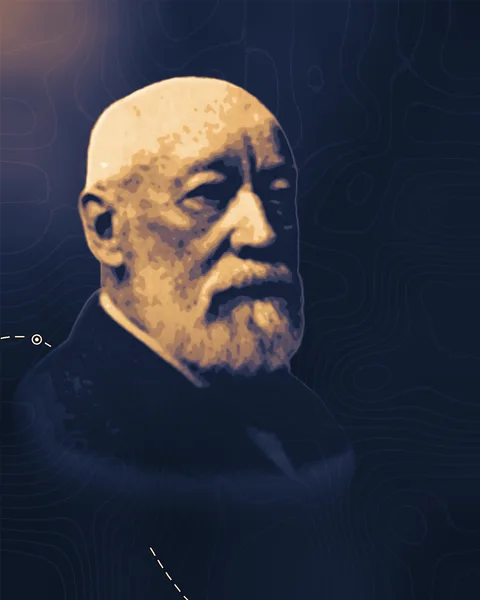
John Wesley Hyatt
1837–1920
He made celluloid a material that could be manufactured and built the machines to shape it, among them the first injection molding machine.
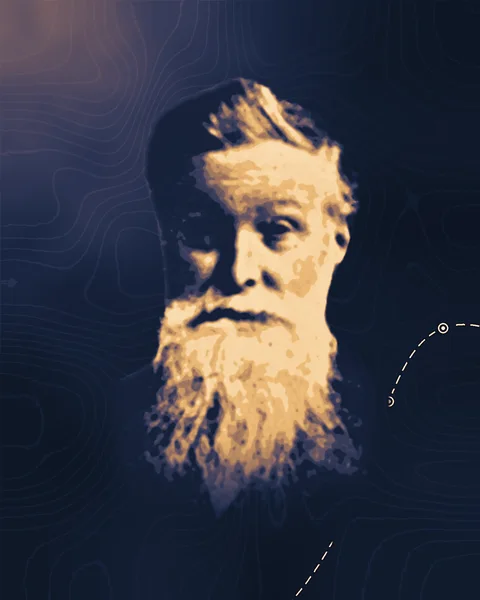
John Boyd Dunlop
1840–1921
He made the air-filled tyre work on a bicycle in 1888, and the tyre trade grew from the company formed to make it.
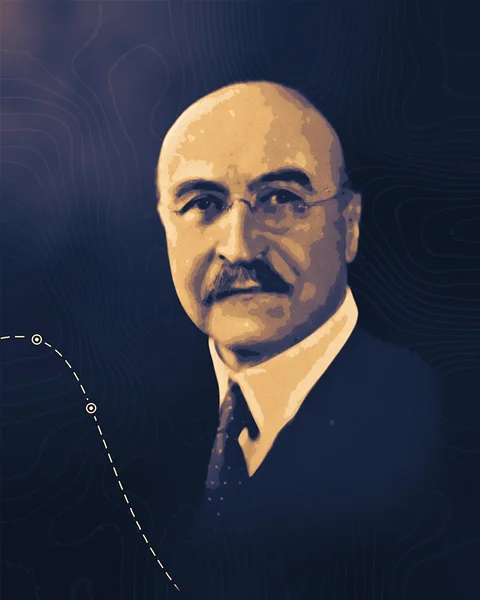
Leo Baekeland
1863–1944
He made Bakelite from phenol and formaldehyde, the first plastic built wholly from chemicals and the first that sets hard for good when molded under heat and pressure.

George Oenslager
1873–1956
He found that small amounts of organic chemicals make rubber cure much faster and stronger, the accelerators that every rubber factory has used since.
Open in plastics and rubber
3 of 15 open deliverables
Open · Injection molding
Few-shot setup in the open
Open-source software that sets up a new mold on a small lab injection machine. It proposes settings, reads each shot's part weight and photo, and reaches good parts in as few shots as possible. Run it against a trained human setter on the same molds.
Built with what exists
A mini injection machine sold to test labs and universities, such as the Electro-Matic MiniJector Model 55E, run by trained lab staff; BoTorch, Meta's open Bayesian optimization library; a lab balance; a USB camera; calipers.
Open · Extrusion and film
Name a gel's cause
A gel is a small lump or speck in film. Build a public set of gel images in which a lab has confirmed each gel's cause: unmelted resin, cross-linked resin, burnt resin or foreign dirt. Add a baseline model that predicts the cause from the picture alone.
Built with what exists
Film samples (recycled polyethylene film has many gels); a high-resolution flatbed scanner or a backlit USB microscope; infrared (FTIR) or Raman time at a university or a contract lab; an open image model such as Ultralytics YOLO, or a classifier in PyTorch; Zenodo or Hugging Face to publish.
Open · Bottles and blow molding
Predict bottle walls from heat
An open model, with a public test set, that predicts how thick a stretch-blown PET bottle's wall will be at each height, from the preform's temperature profile and the machine settings.
Built with what exists
Published thickness and temperature data from open-access papers; open finite-element software such as FEniCSx or Code_Aster; scikit-learn or PyTorch for fast stand-in models. Any new blowing tests use high-pressure air and belong in a university lab, with a Hall-effect thickness gauge and an infrared camera.