Industries / Food, farming and forestry
Food and beverage processing
Food and beverage processing turns crops, animals, milk and fish into packaged food and drink that keeps, travels and is safe to eat.
1810
Nicolas Appert published a method of preserving food by heating it in sealed containers, and the French government paid him 12,000 francs to make it public.
40
Milestones achieved across 6 domains.
14
To watch for: announced, not yet confirmed outside.
12
Open deliverables. Nobody has shipped them.
In one minute
Where it started
In 1810 Nicolas Appert showed that food heated in a sealed container keeps for years, long before anyone knew that microbes cause spoilage. Through the 1800s, machines and refrigeration turned kitchen methods into factory work. Cream separators, frozen meat shipped from New Zealand to London, and bottles made by machine all came before 1910.
Where it stands
Filling, sealing, sterilizing and packing liquids and uniform items are largely done by machine. Rules written after deadly failures now set how plants are run, tested and cleaned: botulism in canned soup, E. coli in hamburgers, melamine in milk and Listeria in deli meats. Work on natural shapes that vary, such as boning beef, cleaning cooked fish, picking crab meat and grading cheese, is still mostly done by hand. So are taking swabs, checking that a washed line is clean and plating many small dishes.
What is open
Most open jobs need a trained eye or hand on a product that is never quite the same twice. Robot models that learn a task from a few demonstrations, and cameras that see beyond visible light, make these jobs worth attempting now as data sets, test rigs and prototypes. Several open items are public test sets, such as one for allergen label errors, which caused most allergen recalls with a known cause in a US study.
Domains
AchievedWatch forOpen
Domain
Progress
Last achieved
Watch for
Open
Preserving
Preserving is the work of stopping food from spoiling, by heat, cold, pressure or drying, so that it can be stored and shipped.
6 · 1 · 2
Last achievedMicrowave-sterilized meals at scale2020
Watch forUS-made microwave-sterilized meals
2
openMeat, fish and dairy
This work turns animals, fish and milk into cuts, fillets, cheese and other products, by separating, cutting, boning and ripening.
7 · 2 · 2
Last achievedCultivated chicken cleared2023
Watch forRobot scribing of beef carcasses
2
openIn depthMeatpackingSeafood processing
Drinks and bottling
Drinks and bottling is the work of turning grain, fruit, sugar and water into beer, wine, spirits, juice and soft drinks, and filling them into bottles, cans and cartons on fast production lines.
7 · 3 · 2
Last achievedCaps tied to bottles2024
Watch forSmoke-taint screen in minutes
2
openPackaging
Packaging is the work of choosing, making, filling, sealing, labelling and boxing the containers that carry processed food and drink from the factory to the shop.
6 · 3 · 2
Last achievedEU packaging regulation2025
Watch forRobot plating of side dishes
2
openFood safety and testing
Food safety and testing is the set of rules, plant routines and laboratory checks that keep processed food free of germs, stray objects, hidden allergens and fakes, and that trace an illness back to the food that caused it.
7 · 3 · 2
Last achievedGenome sequencing replaces fingerprints2019
Watch forListeria swabs in every district
2
openCleaning and changeover
Cleaning and changeover is the work of removing food residue, germs and allergens from plant equipment, and of switching a line from one product or pack to the next without carrying the last product into it.
7 · 2 · 2
Last achievedCleanability test for open machines2024
Watch forRobot rinses and foams equipment
2
open
Figureheads
8 people
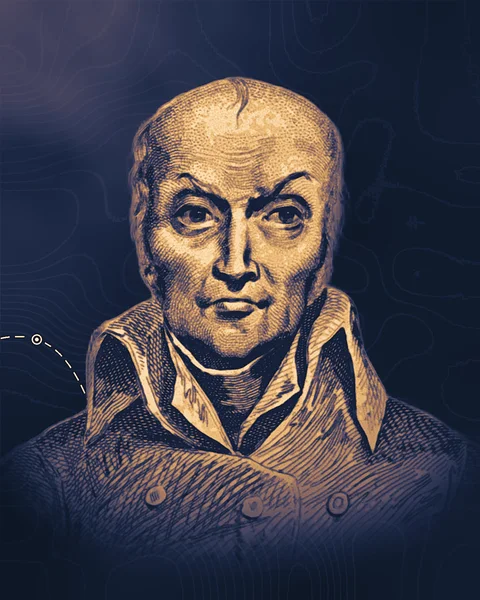
Nicolas Appert
1749–1841
He showed that food heated in a sealed container keeps for years, and published the method for anyone to use.
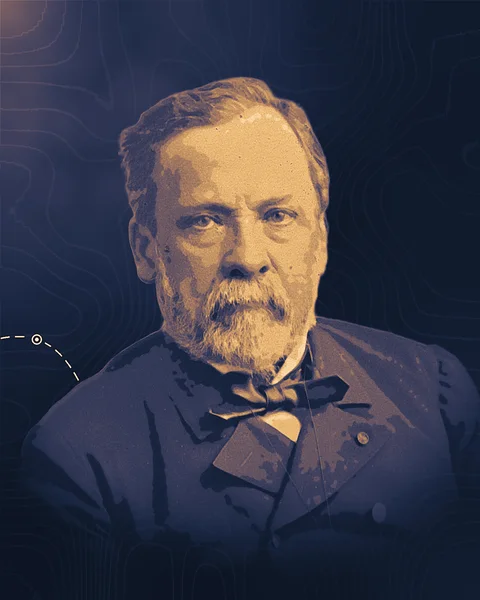
Louis Pasteur
1822–1895
He showed that microbes cause fermentation and spoilage, and that gentle heating stops them without ruining the drink.
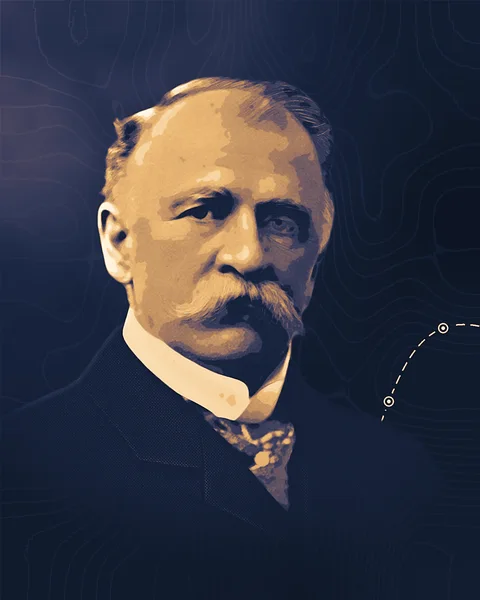
William Painter
1838–1906
He invented the crown cap, a cheap bottle closure made to be thrown away, and the machines that put it on.
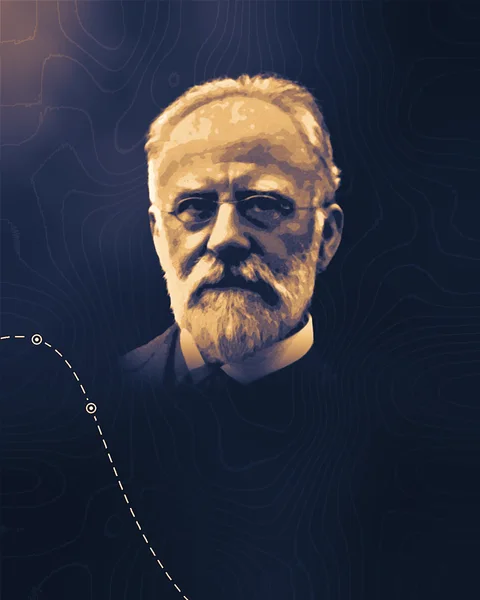
Emil Christian Hansen
1842–1909
He grew brewing yeast from a single cell, so that a brewery could start every batch from one known strain.
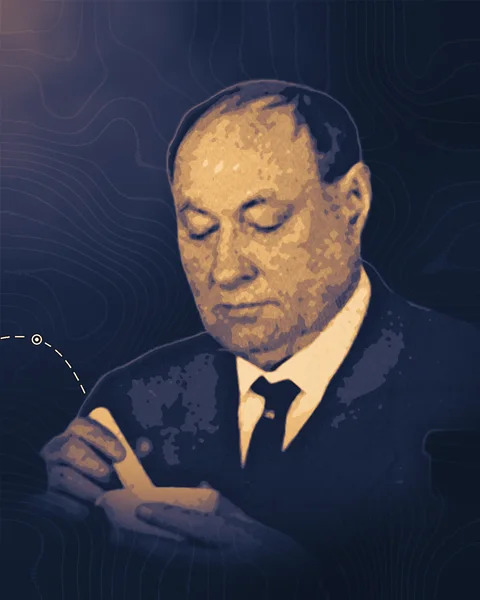
Harvey W. Wiley
1844–1930
He spent twenty years showing what was being put into American food and wrote most of the 1906 law that made adulterating or mislabelling it a federal offence.
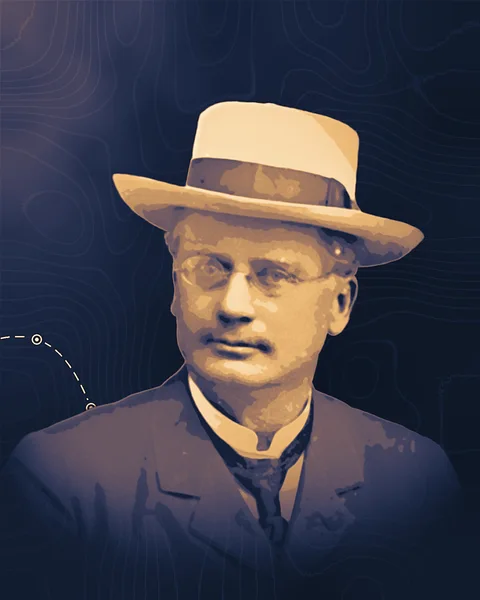
Gustaf de Laval
1845–1913
He built the continuous centrifugal separator, which skims cream from milk in a spinning bowl and was soon put to work on yeast and oil as well.
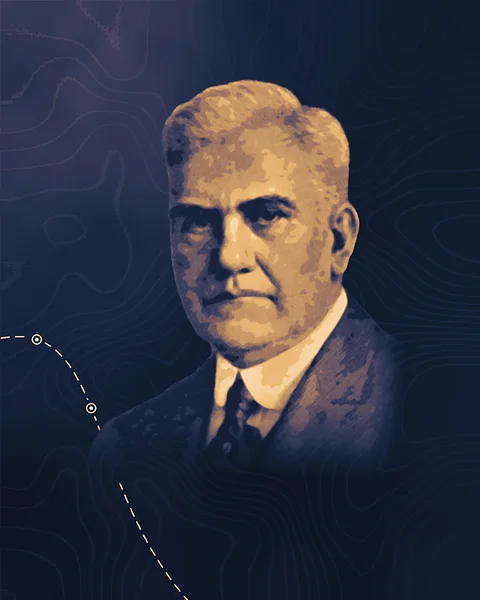
Michael J. Owens
1859–1923
He built the machine that made glass bottles without a glassblower, which made them cheap, uniform and plentiful.
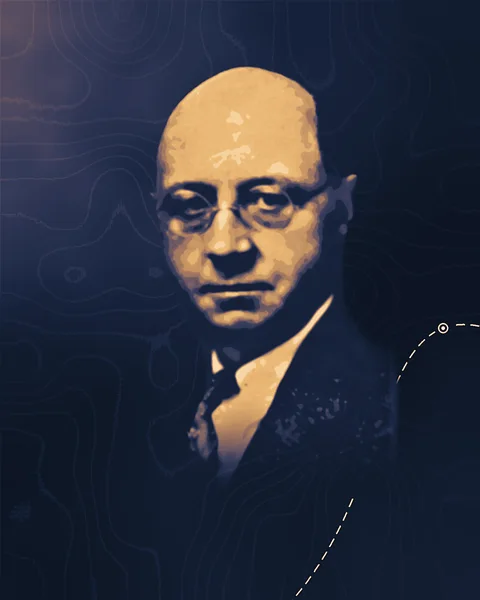
Clarence Birdseye
1886–1956
He turned quick freezing into a packaged product that shops could sell, with the machines, cartons and display cases it needed.
Advances to build with
2 research notes
NVIDIA GR00T 2
Five demonstrations per task
By NVIDIA's own test, its robot model GR00T 2 averages 95% success after five demonstrations of a task, on 50 tasks picked from those it learns that way.
Ring Rover Cam
A camera on patrol
Amazon says Ring's $999.99 Rover Cam, a camera on wheels, maps an indoor space and drives itself to saved spots, and launch coverage reports no outside test.
Open in food and beverage processing
3 of 12 open deliverables
Open · Preserving
Cleaning cooked fish for cans
A camera system that looks at cooked tuna loins or mackerel and marks the skin, dark meat and bone a cleaner would cut away. Start with the map and its score. A cutting robot can come later.
Built with what exists
A colour and depth camera such as an Intel RealSense, a near-infrared line-scan camera such as a Specim FX10, an open segmentation model such as Meta's Segment Anything 2 or Ultralytics YOLO11 fine-tuned on labelled photos, and a bench scale for yield.
Open · Meat, fish and dairy
Grading cheese by sound
A tapping rig and sound model that grades whole cheese wheels the way expert tappers do, from the sound and vibration of a small hammer.
Built with what exists
An instrumented impact hammer or a solenoid tapper, a contact microphone and an accelerometer, a Raspberry Pi 5 for recording, and a small audio classifier trained in PyTorch.
Open · Drinks and bottling
Measuring recycled plastic in bottles
A bench test that estimates what share of a finished PET drinks bottle is recycled plastic, from light spectra of the bottle wall, without relying on the supplier's paperwork.
Built with what exists
A benchtop infrared or ultraviolet-visible spectrometer of the kind university core laboratories usually have, scikit-learn for the models, and reference films pressed from virgin PET pellets and recycled PET flake mixed at known ratios. Known ratios matter because a printed claim may be a company-wide average, not what is in that bottle.