Industries / Figureheads
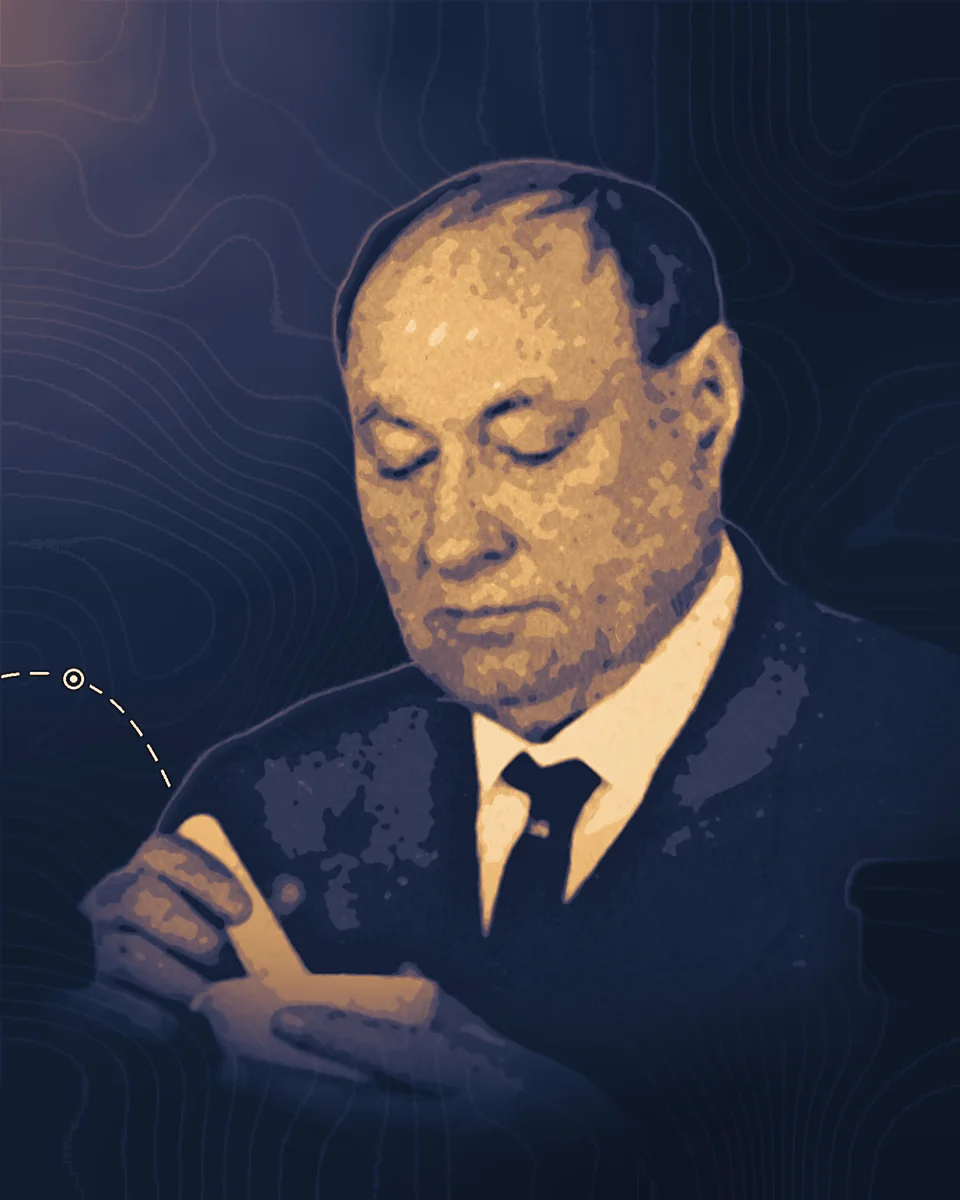
Harvey W. Wiley
He spent twenty years showing what was being put into American food and wrote most of the 1906 law that made adulterating or mislabelling it a federal offence.
1844–1930
What they changed
1887
Adulteration measured
As chief chemist of the US Department of Agriculture, Wiley had his division analyse what was sold as food. Studies of milk, butter and honey in 1884 and 1885 were followed by a series of technical reports, Bulletin 13, Foods and Food Adulterants. The FDA's history gives examples of what was found: honey thinned with glucose syrup and "olive oil" made from cottonseed.
1902
Preservatives tested on people
With a budget of 5,000 dollars Wiley fed measured doses of food preservatives to twelve healthy young volunteers, starting with borax. Salicylic acid, sodium sulfite, sodium benzoate and formaldehyde followed. Newspapers called the volunteers the Poison Squad, and the first results were published in 1904.
1906
A federal food law
President Theodore Roosevelt signed the Pure Food and Drugs Act on 30 June 1906. It prohibited the adulteration and misbranding of food and drugs. The FDA says the law was largely written by Wiley, who was put in charge of enforcing it, and it lists him first among its own leaders.
1912
Testing from outside government
After leaving office Wiley ran the Bureau of Foods, Sanitation and Health at Good Housekeeping magazine, which tested products and gave a seal to those that passed.
Life
Harvey Washington Wiley was born in 1844 in a log cabin on a farm near Kent, Indiana. He entered Hanover College in 1863, served in the Civil War and returned to finish. He took a medical degree at Indiana Medical College and a science degree at Harvard, and in 1874 became professor of chemistry at Purdue University. In 1881 he was made Indiana's state chemist, checking commercial fertilizers.
He moved to Washington in 1883 as chemist of the Department of Agriculture. His first task there was sugar: finding out whether it could be made from sorghum. Food adulteration was a side line that became the main work. Pure-food bills went to Congress through the 1880s and 1890s and all were defeated. In 1898 he chaired the legislation committee of a national pure food congress, and the bill it drew up was put to Congress again and again.
The feeding trials made him famous, and they were weak science. Half the diners in the borax trial dropped out sick before its fifth round, and only three of twelve finished the benzoate trial. Wiley switched groups week by week between dosed and undosed food, and the Science History Institute's magazine says he knew this "might not give the clearest results". He judged borax "relatively but not completely safe".
The law of 1906 was weaker than he wanted. Lobbying removed the power to set standards of purity, and the act named no substance to be controlled. Wiley then fell out with his superiors over how hard to enforce it. Roosevelt took saccharin himself and did not share Wiley's doubts about it, and a secretary of agriculture held back his reports. He resigned in 1912 after 29 years. The FDA's history puts it down to his many opponents in Congress and in the food and patent-medicine trades.
He worked at Good Housekeeping for the rest of his life, 18 or 19 years by different counts. In 1927 he wrote that he suspected tobacco might promote cancer. He died in 1930, aged 86, and was given a funeral at Arlington National Cemetery.
Read more
3 accounts
Harvey W. Wiley: Pioneer Consumer Advocate, US Food and Drug Administration, undated. The agency's account of its first head, from the farm to Good Housekeeping.
fda.gov
Harvey Washington Wiley, Science History Institute, undated. A dated life that follows the campaign for a law year by year from 1880 to 1906.
sciencehistory.org
Harvey Wiley's Fierce Pursuit of Food Safety, Sarah Reisert, Distillations, 2019.
A review of Deborah Blum's book The Poison Squad (2018) that sets out how the feeding trials were run and where they fell short.
sciencehistory.org