Industries / Retail, hospitality and personal services
Retail and e-commerce
The retail and e-commerce industry buys goods from the makers and sells them to people in shops, by mail and online, then gets the goods to the shopper's door and takes back what the shopper returns.
1852
Aristide and Marguerite Boucicaut became partners in Le Bon Marché, a Paris shop first opened in 1837, and ran it on "fixed, well-displayed prices", entry with no pressure to buy, and "satisfaction guaranteed or your money back". France's official tourism site calls it "one of the first department stores in Paris.".
45
Milestones achieved across 7 domains.
16
To watch for: announced, not yet confirmed outside.
14
Open deliverables. Nobody has shipped them.
In one minute
Where it started
People have bought goods in markets and from shopkeepers for thousands of years. The modern trade took shape in the 1800s. Department stores such as Le Bon Marché in Paris put a fixed price on every item, and mail-order catalogs such as Montgomery Ward's (1872) reached families far from any town. Self-service grocery stores (1916), barcode scanning at the checkout (1974) and shops on the web (1995) each changed how the work is done.
Where it stands
By the US Census Bureau's count, online sales were 17.1% of US retail sales in the second quarter of 2026. The Office for National Statistics put the share at 28.3% of retail sales in Great Britain in September 2026, and China's National Bureau of Statistics at 26.1% of its retail sales of consumer goods in 2025. In a 2025 survey by the National Retail Federation (NRF) and Happy Returns, retailers expected shoppers to send back 15.8% of the year's sales, worth $849.9 billion. Inside stores much of the work is still done by hand. A 2008 study of one retailer found 65% of its stock records wrong, and the shelf-scanning robots in use find empty shelf space but do not refill it.
What is open
Many open jobs are checks that nobody runs at scale: whether shelf labels show correct unit prices, whether the register charges the shelf price, whether an app's "in stock" is true, whether grocery websites carry the facts printed on the pack, and whether a blind shopper can pay without help. Others are robot jobs still done by people in working stores, such as bagging groceries and lining up products on shelves, and independent counts of how delivery drones and sidewalk robots affect the people around them. AI models that read photos of labels and receipts, low-cost robot arms that learn from demonstrations, and cheap sound meters put these jobs within reach of a small team today.
Domains
AchievedWatch forOpen
Domain
Progress
Last achieved
Watch for
Open
Buying and assortment
Buying is the merchant's work of choosing which products a shop sells (its assortment), finding suppliers, setting up each item's details and deciding how much to order.
5 · 2 · 2
Last achievedForecasting contest on Walmart data2020
Watch forAI drafts own-brand fashion
2
openPricing
Pricing is deciding what each item costs, showing that price to shoppers, and changing it through sales and markdowns.
7 · 2 · 2
Last achievedHidden price tests exposed2025
Watch forEU limits on personal prices
2
openStores and checkout
Store work covers how a shop is laid out and run on the floor, and how shoppers pay and leave.
7 · 2 · 2
Last achievedRetailers pull back checkout automation2024
Watch forCheckout-free stores for others
2
openOnline shops and search
Online selling is selling at a distance, from printed catalogs to websites and apps, with search and recommendations to help shoppers find things, and now AI agents that shop for them.
6 · 3 · 2
Last achievedChatbot checkout pulled back2026
Watch forCheckout inside Google's AI search
2
openShelves and stock
Stock work keeps the right goods on store shelves: counting stock, reordering, finding gaps, refilling shelves and tracking losses from theft, damage and errors.
7 · 3 · 2
Last achievedA shrink statistic withdrawn2023
Watch forShelf-scanning robots at scale
2
openDelivery to the door
Delivery gets an order from the shop or its depot to the shopper's door, a locker or a pickup point; the trade calls this last part of the journey the last mile.
7 · 3 · 2
Last achievedSidewalk robots deliver groceries2025
Watch forWing and Walmart drone network
2
openReturns
Returns work is taking goods back from shoppers, refunding them, and deciding what happens to each item: back on sale, sold off cheaply, recycled or thrown away.
6 · 1 · 2
Last achievedEU bans destroying unsold clothes2026
Watch forAI checks returned items
2
open
Narrower industries
GroceryConvenience stores and fuel retailAuto parts retailThrift and resaleFloristsPawn shopsVendingAuction housesDollar storesLiquor storesFarm and ranch storesHome improvement retailDepartment storesRent-to-ownVape shops and dispensaries
Figureheads
7 people
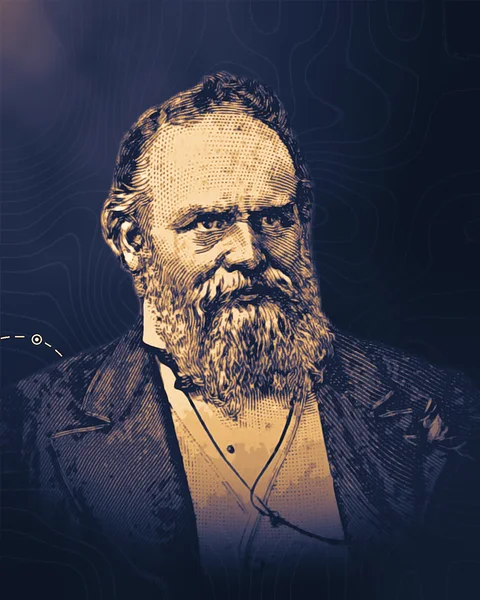
Aristide Boucicaut
1810–1877
With his wife Marguerite he turned a small Paris draper's shop, Le Bon Marché, into a store with marked prices, free entry, returns, small margins and a building of its own, the model later department stores copied.
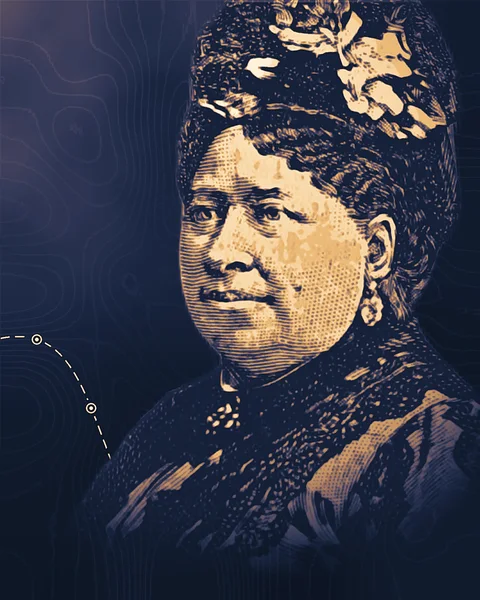
Marguerite Boucicaut
1816–1887
Co-founder with her husband Aristide of Le Bon Marché in Paris, she ran it alone after 1879 and made its employees part-owners of the business and holders of a pension.
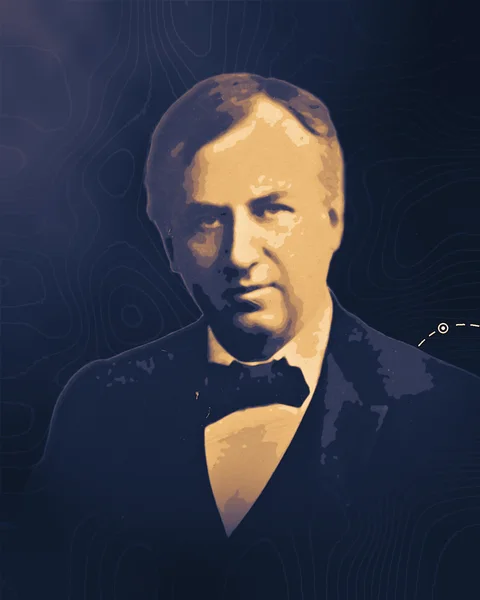
John Wanamaker
1838–1922
A Philadelphia merchant who sold at one marked price with goods returnable, built one of the first American department stores, and as Postmaster General pressed for free mail delivery to farms.
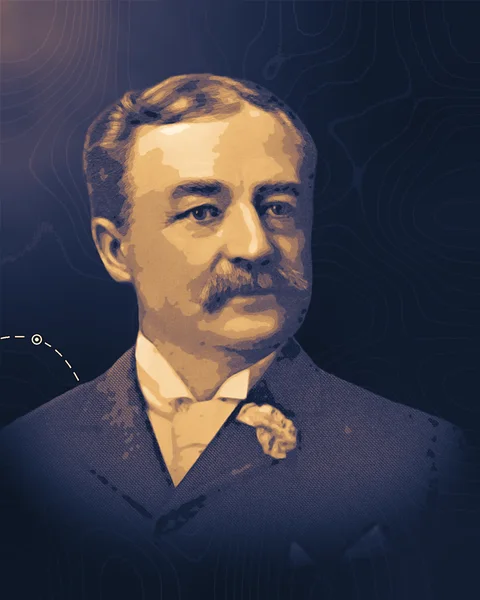
Aaron Montgomery Ward
1843–1913
A Chicago dry-goods salesman who in 1872 began selling general goods to farm families by mail from a printed catalog, with the promise to take back anything that did not satisfy.
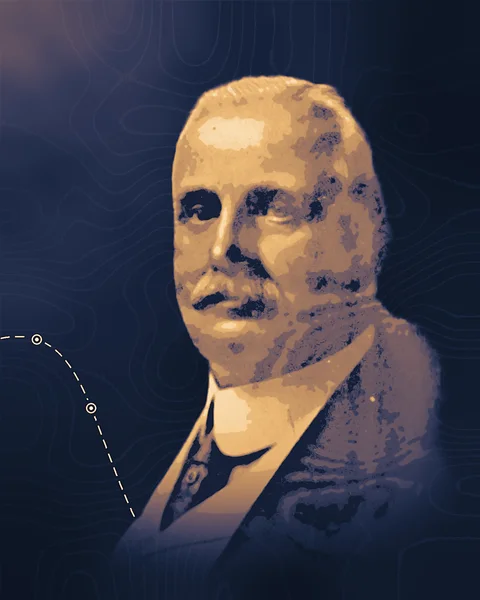
Frank W. Woolworth
1852–1919
He opened stores in which everything cost five or ten cents and lay on open counters for shoppers to pick out themselves, and built them into a chain of more than a thousand.
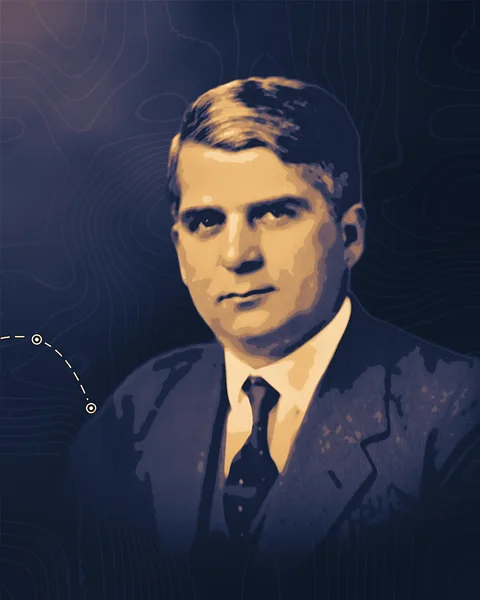
Clarence Saunders
1881–1953
He opened the Piggly Wiggly grocery in Memphis in 1916, where shoppers walked the aisles, took goods from marked shelves and paid on the way out, the self-service layout most shops now use.
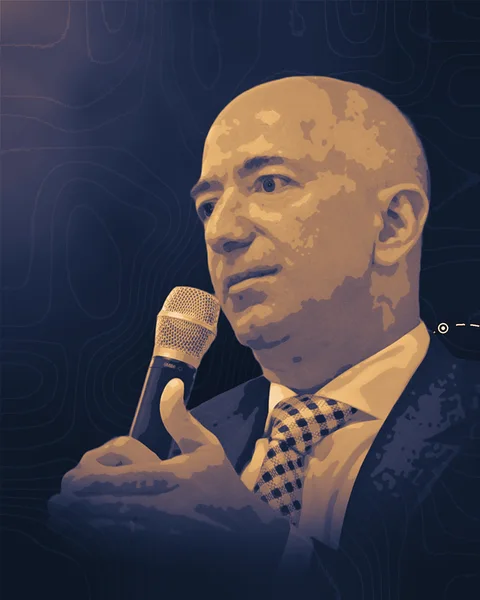
Jeff Bezos
born 1964
He founded Amazon.com in 1994 as a bookstore on the web and built it into a store that sells nearly everything online and delivers it fast, with free shipping for a yearly fee.
Advances to build with
1 research note

Open in retail and e-commerce
3 of 14 open deliverables
Open · Buying and assortment
Store food audits from video
A tool that scores a food store from a phone video of its aisles using NEMS-S (Nutrition Environment Measures Survey in Stores), the standard form that public-health researchers use to record whether a store stocks healthy options, at what price and in what condition. The aim is a score as good as a trained person's, so that every store in a city can be audited each year.
Built with what exists
a phone camera; vision-language models that read video frames, such as Gemini or Claude; product facts and photos from Open Food Facts, a free public food database; Python for scoring.
Open · Pricing
Unit prices checked from photos
A phone tool that reads shelf-edge labels, works out the unit price (the price per kilogram, liter or other standard unit that lets shoppers compare pack sizes) from the price and pack size, and flags labels whose unit price is wrong, missing or given in the wrong unit. The first target is the UK, where amended rules apply from 6 April 2026.
Built with what exists
a phone camera; vision-language models or open text-reading (OCR) software to read labels; pack sizes from Open Food Facts; Python.
Open · Stores and checkout
Robot bags the groceries
Two low-cost robot arms at the end of a checkout counter that pack a mixed basket into bags following a bagger's rules: heavy and hard items at the bottom, eggs and bread on top, chilled goods together.
Built with what exists
two SO-101 arms with Hugging Face's LeRobot software; a robot model trained from a few demonstrations, such as NVIDIA GR00T 2 (see the Note "Five demonstrations per task"); webcams over the counter; a mock checkout counter and ordinary reusable bags.