Industries / Government, education and community
Government
Government, as mapped here, is the work of delivering public services: paying benefits, collecting taxes, issuing permits and licenses, keeping records of people and property, answering emergencies, buying what public bodies need, and running the courts.
1086
King William I of England sent royal commissioners to put set questions about every landholding to local jurors, and their answers became Domesday Book, which The National Archives calls "the earliest and most iconic public record"; William had called the inquest at Christmas 1085 "to address problems in how tax was raised and defence organised".
43
Milestones achieved across 7 domains.
12
To watch for: announced, not yet confirmed outside.
14
Open deliverables. Nobody has shipped them.
In one minute
Where it started
Governments counted land, people and taxes long before computers, and England's Domesday survey of 1086 is among the oldest such records to survive. Modern public services grew from that base: Sweden gave citizens a right to read government archives in 1766, Britain paid its first tax-funded old age pensions in 1909, and London opened the 999 emergency number in 1937.
Where it stands
Most services now run on shared databases and online systems: Estonia's agencies have queried each other's records over X-Road since 2001, Korea and Ukraine buy through single online procurement systems, and all but 0.4% of new court cases in Brazil arrive electronically. The failures have taught as much as the successes, among them Australia's Robodebt, which raised A$1.763 billion in debts by averaging income, a Dutch benefits risk score that weighed nationality, and HealthCare.gov's untested launch. AI tools are now in pilots that answer residents' questions, pre-check building plans and draft court rulings, and most results so far come from the agencies and vendors running them.
What is open
Most open jobs here are public tests nobody has built yet: made-up proof documents, claim histories, house plans, phone calls, records and court notices with known right answers, against which the tools governments are buying can be scored. Others turn public data into counts, such as corrected alerts in FEMA's archive or brand names in EU tender papers. Each can be started this month with public records, open-source tools and current AI models, without touching a real claim, call, filing or payment.
Domains
AchievedWatch forOpen
Domain
Progress
Last achieved
Watch for
Open
Benefits and payments
Deciding who qualifies for public money such as pensions, food aid and unemployment pay, and getting the right amount to the right person on time.
7 · 2 · 2
Last achievedModels tested on SNAP2026
Watch forA policy assistant for caseworkers
2
openTaxes
How tax agencies register taxpayers, take in returns and payments, pay refunds, answer questions and check that the right amount was paid.
5 · 2 · 2
Last achievedPhone answers measured2025
Watch forEvery French invoice electronic
2
openPermits and licenses
Checking that a building, a business or a driver meets the rules before the work starts, and issuing the permit, license or card that says so.
5 · 2 · 2
Last achievedOne submission, joint review2025
Watch forAI pre-check of house plans
2
openRecords and identity
Keeping the official record of who people are and what happened to them, from births, deaths and censuses to identity cards and online sign-in, and letting the public see the government's own records.
7 · 1 · 2
Last achievedRecords linked to wrong people2023
Watch forIdentity wallets across the EU
2
openEmergency response
Taking emergency calls, sending help, warning the public of danger, and getting supplies to people after a disaster.
6 · 2 · 2
Last achievedA false missile alert2018
Watch forAI on non-emergency lines
2
openIn depthEmergency services
Procurement
How governments buy goods, services, works and IT: advertising tenders, choosing suppliers, and signing and publishing contracts.
6 · 1 · 2
Last achievedOne form for EU notices2023
Watch forAI review of bids
2
openCourt administration
Running the business side of courts: calling jurors, keeping case records, sending notices, scheduling hearings and helping people who come to court without a lawyer.
7 · 2 · 2
Last achievedBrazil's courts go paperless2023
Watch forAI drafts for civil judges
2
open
Other narrower industries
CorrectionsPublic transitPostal and courierGovTechLibrariesParks and recreationMilitaryPoliceCourtsWorkforce developmentWater districts and MUDsAppraisal districtsPublic housingEconomic developmentPublic health departmentsVeterans services
Figureheads
2 people
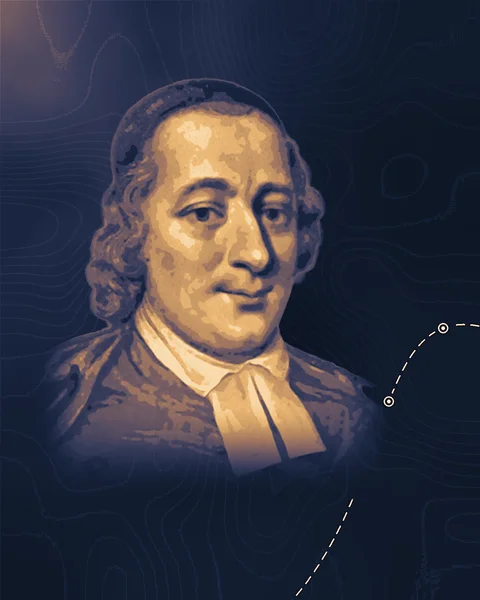
Anders Chydenius
1729–1803
A country parson in Finland, then part of Sweden, he led the parliamentary committee that wrote the 1766 law giving citizens the right to read and copy government records.
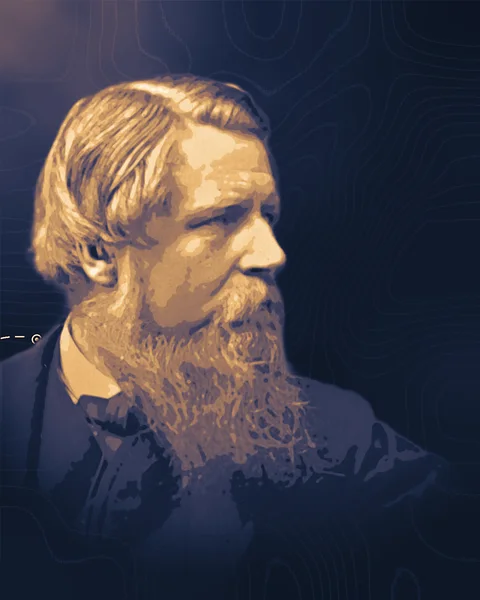
Stafford Northcote
1818–1887
With Charles Trevelyan he signed the 1853 report that told Britain to fill its civil service by competitive examination and promote on merit, and he later ran the Treasury as Chancellor of the Exchequer.
Advances to build with
1 research note

Open in government
3 of 14 open deliverables
Open · Benefits and payments
Made-up proof, with answers
A public set of made-up documents of the kind applicants send to prove income and costs, such as pay stubs, employer letters, benefit award letters, rent receipts and utility bills, in many layouts, some handwritten or photographed. Each comes with an answer key giving the amounts a caseworker should count. Then score AI document readers on it.
Built with what exists
a script that prints made-up documents in varied layouts and writes the answer key from the numbers it printed; a phone camera for photographed copies; AI models that read PDFs and photos, such as Claude, Gemini and GPT; Tesseract, an open-source text reader, as a baseline. (see the Note "Seven more flagged")
Open · Taxes
A tax-help test for Canada
A public set of 300 everyday personal tax questions for Canada, each with an answer and a citation to the Canada Revenue Agency's own published guidance, checked by two tax preparers. Then score general AI models, and AI tools meant to help call-center agents, against it. Later, do the same for the UK and Australia.
Built with what exists
the Canada Revenue Agency's public guidance pages and forms; AI models such as Claude, Gemini and GPT, run with and without web search; a short scoring rubric for accuracy, completeness and a correct citation.
Open · Permits and licenses
A public plan-check test
An open test set for AI tools that check house plans against the building code: made-up plan sets for small homes and backyard cottages (accessory dwelling units), each with known code errors seeded in, and a score for each tool on the share of errors it finds (coverage) and the share of its flags that are right (accuracy).
Built with what exists
Seattle's open Plan Comments dataset, which holds the comments reviewers made on building plan sets, to choose the errors reviewers flag most often; any drawing program to draw the plans; AI models that read drawings, such as Claude, Gemini and GPT, as the tools under test. (see the Note "Seven more flagged")