Industries / Government, education and community
Education
The education industry teaches people in schools, universities and job training, and makes the lessons, tests, books and systems that teaching runs on.
About 3200 BCE
Writing began in the late Uruk period in what is now southern Iraq, and the first scribes compiled standard lists of words and signs that, in the account of the cuneiform scholar Niek Veldhuis, served to standardize and to teach the new script.
42
Milestones achieved across 6 domains.
8
To watch for: announced, not yet confirmed outside.
12
Open deliverables. Nobody has shipped them.
In one minute
Where it started
Writing began in southern Mesopotamia around 3200 BCE, and its first users copied fixed word lists to learn it. By about 2000 to 1500 BCE, scribes were trained in the "tablet house", often a private home, where pupils practiced wedge shapes, then word lists, then whole texts from memory. Schooling for everyone came much later: Prussia ordered children into school in 1763, and Massachusetts passed the first US state attendance law in 1852.
Where it stands
UNESCO estimates that 272 million children and young people were out of school in 2023. In low- and middle-income countries, 70% of 10-year-olds could not read and understand a simple text in 2022, up from 57% in 2019, by the World Bank's estimate. UNESCO says the world needs 44 million more primary and secondary teachers by 2030. What its authors call the largest trial yet of an AI tutor in public schools, run by outside researchers in Tennessee, found gains no larger than the same practice software gave without AI, mainly because students rarely used the tutor.
What is open
Much checking is still done by hand: exam papers before they are printed, textbook answer keys, apprentices' practice walls. Some students still wait for basic access, such as blind students in classes taught on a board, and children whose early reading is tested by ear in languages such as Hausa, for which this research found no automatic scorer. AI models that read handwriting, speech recognition that covers more than a thousand languages, and agents that read and compare long documents now put these jobs within reach of a small team.
Domains
AchievedWatch forOpen
Domain
Progress
Last achieved
Watch for
Open
Classroom teaching
A teacher leads a group of students through lessons in a room, from preschool to the university lecture hall.
7 · 1 · 2
Last achievedSchools close worldwide2020
Watch forAI scores lessons on Teach
2
openTutoring and practice
One-to-one or small-group teaching, and the drills, software and study habits students use to practice on their own.
7 · 2 · 2
Last achievedAn AI tutor, rarely used2026
Watch forAI drafts, tutors approve
2
openIn depthTutoring
Testing and grading
Writing exams, marking answers and turning results into grades, from classroom quizzes to national exams and international comparisons.
7 · 2 · 2
Last achievedTexas machine-scores written answers2023
Watch forAI marks like examiners
2
openCurriculum and materials
Deciding what is taught and in what order, and producing the textbooks, readers and other materials that teachers use.
7 · 1 · 2
Last achievedAI textbooks lose status2025
Watch forTextbooks rewritten for each student
2
openRunning a school
The work that keeps schools open: getting children enrolled and attending, feeding and transporting them, staffing, records and money.
7 · 1 · 2
Last achievedA breach of school records2024
Watch forAI drafts special-education plans
2
openJob training
Teaching the skills of a trade or job through apprenticeships, employer training and public training programs.
7 · 1 · 2
Last achievedSector training lifts earnings2022
Watch forAI certificates for workers
2
open
Other narrower industries
EdTechDriving schoolsSchoolsUniversitiesTrade schools and vocational trainingCommunity collegesHomeschooling
Figureheads
6 people
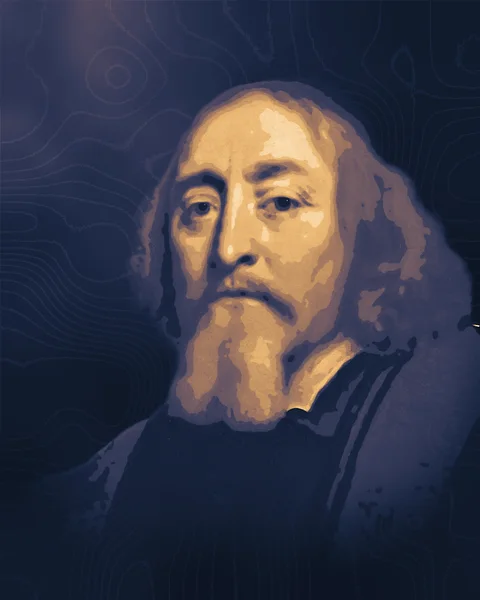
John Amos Comenius
1592–1670
He laid out one ladder of schools for every child, taught by classes and graded steps, and made the first schoolbook built on pictures.
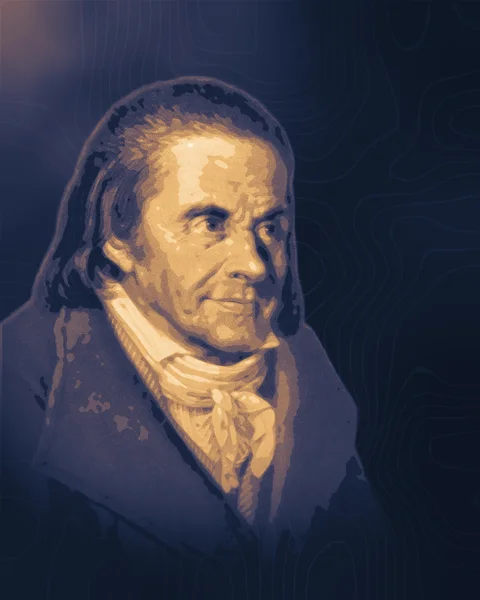
Johann Heinrich Pestalozzi
1746–1827
He taught poor children from what they could see and handle before words and rules, and trained the teachers who carried that method into the public schools of Prussia and beyond.
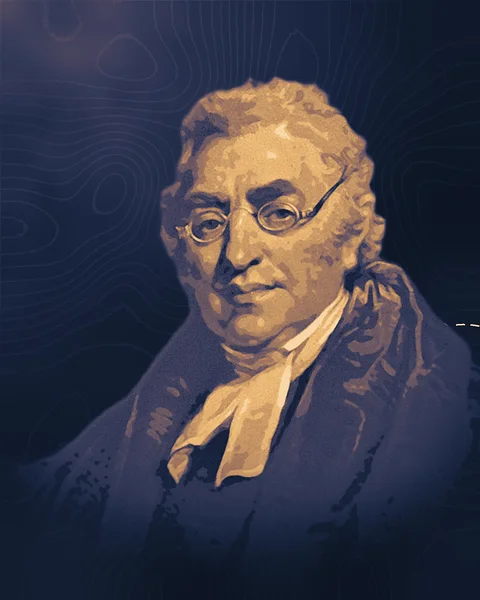
Andrew Bell
1753–1832
At an orphan school in Madras he had older pupils teach the younger ones, and his "Madras system" became the plan of the Church of England's schools for the poor.
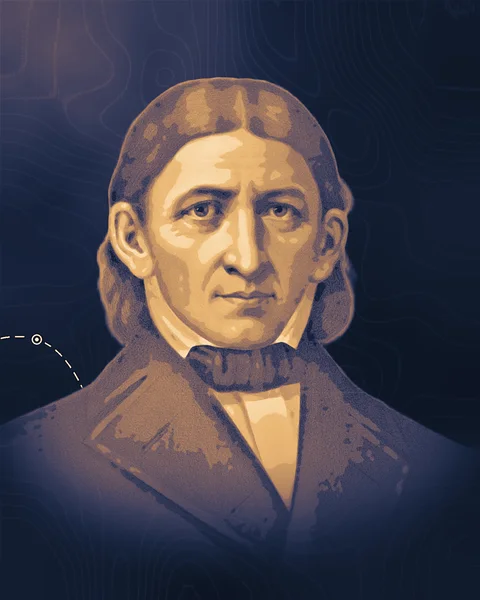
Friedrich Froebel
1782–1852
He founded the kindergarten, a school where children under school age learn through guided play with set materials.
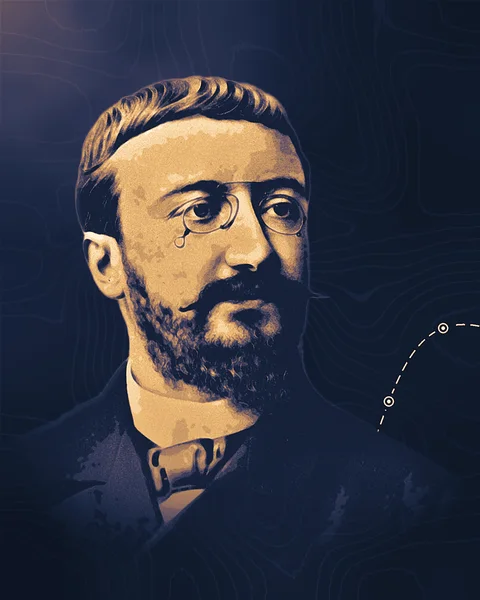
Alfred Binet
1857–1911
With Théodore Simon he made a scale of graded tasks for measuring a child's mental level, to find the pupils who needed special teaching, and he argued that intelligence could be raised.
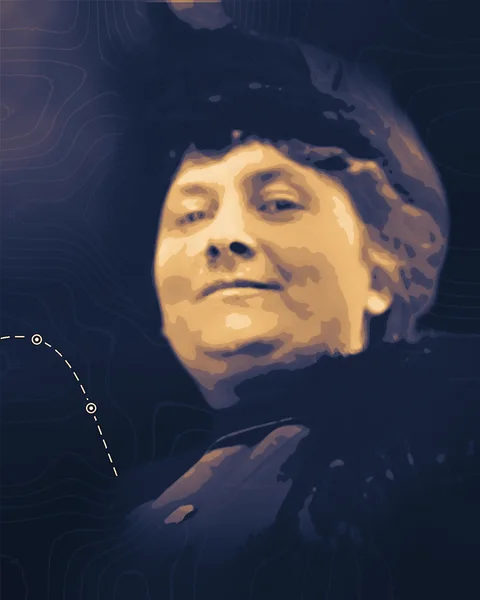
Maria Montessori
1870–1952
A physician, she built a way of teaching young children through self-chosen work with graded materials in a room fitted to their size, and trained the teachers who carried it to schools in dozens of countries.
Open in education
3 of 12 open deliverables
Open · Classroom teaching
Read the board aloud
A camera at the back of a classroom that reads what a teacher writes on the board, including math, and sends it to a blind student's refreshable braille display or earphones within seconds, with a way to move back through earlier lines. Point the camera at the board only, so no students are filmed.
Built with what exists
A webcam or phone on a tripod; a vision-language model that reads handwriting and math, such as Gemini or Claude; MathCAT, an open-source library that turns math into speech and braille codes such as Nemeth and UEB, and is used by the NVDA and JAWS screen readers; a refreshable braille display.
Open · Tutoring and practice
Audit AI tutors' math
A public, repeatable test of AI tutors as students meet them. A script plays a student working through released state test questions, sometimes giving right answers and sometimes common wrong ones, and logs every time the tutor accepts a wrong answer, rejects a right one or states false math. Two teachers check each flagged exchange. Run it through each maker's programming interface or with the maker's permission.
Built with what exists
Released test questions that several US states publish each year; a web agent to drive tutors that have no programming interface (see the Note "Deleting 80% to start over"); SymPy, an open-source math library, to check answers; a shared spreadsheet for the teachers' checks.
Open · Testing and grading
Proofread the exam paper
A checker that works through an exam paper and its mark scheme before the exam is sat. It solves each question independently several times and flags missing information, impossible or ambiguous questions, wrong mark-scheme answers, and differences between the standard paper and its braille or large-print versions.
Built with what exists
An AI model that works through math and science, such as Claude Fable 5.2 or Gemini, with code execution to recheck calculations (the Note "Seven more flagged" covers a Claude-based reviewer of long documents); liblouis, the open-source braille translator, to turn braille papers back into print for comparison; the past papers and mark schemes that exam boards publish.