Industries / Media, arts and recreation / Media and entertainment
Movie theaters
Movie theaters, or cinemas, rent films from distributors and show them on big screens to paying audiences, earning their money from tickets and from food and drink.
1895
On 28 December 1895 the Cinématographe Lumière opened to the public in the Salon Indien, a former billiard room in the Grand Café at 14 boulevard des Capucines in Paris; Guinness World Records lists it as the first cinema in operation, and the evening audience of 35 paid one franc each.
44
Milestones achieved across 7 domains.
13
To watch for: announced, not yet confirmed outside.
14
Open deliverables. Nobody has shipped them.
In one minute
Where it started
Paid film shows began in a Paris café basement in 1895 and spread through storefront nickelodeons from 1905, drive-ins from 1933 and multiplexes from the 1960s. Most of how cinemas book, price and feed audiences took shape in the 20th century: popcorn entered the lobby in the Depression, the US Supreme Court ended block booking in 1948, and Jaws opened at 464 cinemas at once in 1975.
Where it stands
Cinemas worldwide took $33.55 billion in 2025 by Gower Street Analytics' estimate, 6% more than in 2024 but well below the $42.3 billion of 2019. Films arrive as digital files, LED screens that need no projector are spreading, and premium formats such as IMAX, Dolby Cinema and 4DX charge more for bigger, brighter or moving shows. Studios that cut the exclusive cinema run to 17 days in 2020 are promising longer ones again.
What is open
Much of what audiences pay for is not measured in public: how bright screens are, how loud films play, what a ticket costs once fees are added, and whether caption devices work when someone asks for one. Show-by-show attendance stays private, so nobody outside can test the forecasting and scheduling software chains now buy, and nobody has mapped where clearances keep new films from nearby cinemas. Browser agents, low-cost meters and open video models put these jobs within reach of a small team.
Domains
AchievedWatch forOpen
Domain
Progress
Last achieved
Watch for
Open
Projection and sound
Projection and sound is the work of putting a bright, steady picture on the screen and playing the soundtrack at the level the film was mixed for, from the projection booth and the auditorium's speakers.
7 · 2 · 2
Last achievedScreens that make their light2017
Watch forSpeakers behind LED screens
2
openPremium screens
Premium screens are auditoriums sold at a higher ticket price for a bigger, brighter or more physical show: wraparound and giant screens, 3D, moving seats and branded formats.
7 · 2 · 2
Last achievedOz fills a sphere2025
Watch forA smaller Sphere
2
openBooking films
Booking is how a cinema gets the right to show a film: its film buyer agrees terms with the distributor, usually a share of the ticket money, for a run of a set length in a set area.
6 · 2 · 2
Last achievedSame-day streaming pulled back2021
Watch forLonger windows promised
2
openShowtimes and screens
Programming decides which film plays on which screen at what times each week, and the number and shape of a cinema's auditoriums set the limits of that choice.
7 · 2 · 2
Last achievedChina builds the most screens2017
Watch forForecasts sold to cinemas
2
openTickets and prices
This is how cinemas sell admission: where and how a ticket is bought, what it costs, the fees added to it, and passes that sell many visits for one fee.
5 · 2 · 2
Last achievedSeat-based prices dropped2023
Watch forKarnataka's ₹200 price cap
2
openFood and drink
This is the concession stand and its successors: the popcorn, sweets, drinks and meals cinemas sell, which earn much of their profit, and the rules on what they must tell buyers and what buyers may bring in.
5 · 1 · 2
Last achievedCinemas may bar outside food2023
Watch forPhones replace order cards
2
openAccessible screenings
Accessible screenings let people who are deaf or hard of hearing, blind or partially sighted, or overwhelmed by loud sound and darkness follow a film in an ordinary public cinema.
7 · 2 · 2
Last achievedOpen captions by law2022
Watch forCaption glasses at any showing
2
open
Advances to build with
1 research note
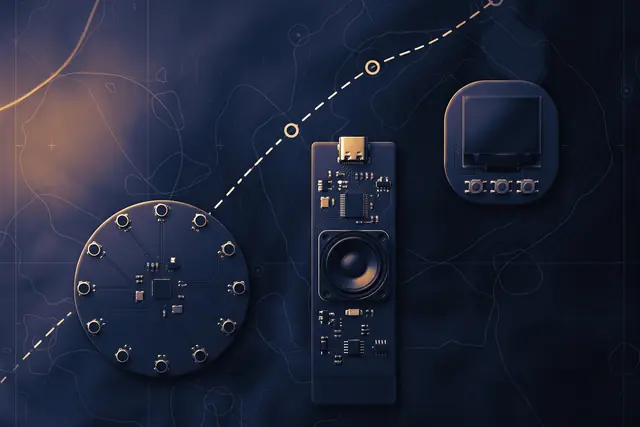
Open in movie theaters
3 of 14 open deliverables
Open · Projection and sound
Measure screen brightness from seats
A public table of measured brightness for at least 50 ordinary cinema screens. With the manager's permission, the cinema plays a white test picture before opening, and the luminance of the screen (the brightness of the light coming off it) is read at the centre and four outer points from the seat the SMPTE standard names, with the screen's light source (xenon lamp, laser or LED) recorded.
Built with what exists
A spot luminance meter with an acceptance angle of 2° or less, as the standard requires, such as the Konica Minolta LS-150, which Konica Minolta says is widely used for cinema screens; DCP-o-matic, free and open-source software that makes files in the Digital Cinema Package (DCP) format cinemas play, for the white test picture; a shared spreadsheet for the results.
Open · Premium screens
Test the premium labels
A public comparison of what premium auditoriums deliver against what their brands promise. For each premium screen (IMAX, Dolby Cinema, LED premium screens and chains' own large formats), record the brand's published figures, then, with the manager's permission and before opening, measure the screen's width and height and the brightness of a white test picture from the seat that SMPTE ST 431-1 names. Measure an ordinary screen in the same building the same day.
Built with what exists
A spot luminance meter with an acceptance angle of 2° or less, such as the Konica Minolta LS-150; a white test picture made with the free DCP-o-matic software; a laser distance meter for screen size, used with the house lights up before opening; the brands' published specifications.
Open · Booking films
A free window table
A free, downloadable table that gives, for every wide release since 2019 in the US, the UK and three other large markets, the date the film reached cinemas and the dates it reached home rental, purchase and subscription streaming, with a public source linked for every date.
Built with what exists
A web agent such as Browser Use 1.0 (see the Note "Deleting 80% to start over") to read studio announcements and public digital-store pages; an AI model such as Claude Fable 5.2 (see the Note "Three working devices") to pull each date with the sentence it came from; a CSV or SQLite file with a source link in every row.