Industries / Food, farming and forestry
Fishing and aquaculture
Fishing and aquaculture is the work of catching wild fish and shellfish at sea and in fresh water, and of farming fish, shrimp and shellfish in ponds, tanks and sea pens, up to the point where the catch is landed.
About 23,000 years ago
People living in Sakitari Cave on Okinawa, Japan, ground fishhooks from sea-snail shell; the team that dug them up (Masaki Fujita and colleagues, PNAS, 2016) calls them the world's oldest fishhooks.
39
Milestones achieved across 6 domains.
14
To watch for: announced, not yet confirmed outside.
12
Open deliverables. Nobody has shipped them.
In one minute
Where it started
People have fished for tens of thousands of years; the oldest hooks yet found, on Okinawa, are about 23,000 years old. Farming came later: Gunditjmara people in south-east Australia were holding eels in stone channels about 6,600 years ago. Fishing became an industry in the late 1800s, when steam trawlers replaced sail, and grew again after 1945 with echo sounders, powered net haulers and ships that froze their catch at sea.
Where it stands
In 2022, for the first time, farms produced more aquatic animals than wild catch: 94.4 million tonnes, or 51 percent of the 185.4 million tonne total, by FAO's count. Wild catch has stayed about level since the late 1980s, and FAO's 2025 review found 64.5 percent of 2,570 fish stocks fished within biologically sustainable levels. The work is still dangerous: one 2022 estimate puts deaths in fishing at more than 100,000 a year.
What is open
Much of the checking in this industry is still done by eye: counting sea lice on farmed salmon, reviewing hours of camera footage from fishing boats, retyping catch certificates, matching rope found on whales to the fishery that set it. Several measurements that rules depend on have no public test yet, such as how well lice cameras count, how many small boats satellites miss, and where in a cool box a fish is warmer than it should be. Most of these jobs need cheap cameras, open data and small AI models, not new ships.
Domains
AchievedWatch forOpen
Domain
Progress
Last achieved
Watch for
Open
Finding and catching fish
Fishers find fish with sound and with floating rafts that fish gather under, then use gear changes, cameras and rules to keep unwanted animals out of the catch.
7 · 2 · 2
Last achievedLights steer fish from trawls2018
Watch forAI reads in-trawl video
2
openVessels and gear
This work covers the boats, the deck machinery that hauls nets and lines, and the gear itself, including what happens to gear lost at sea.
7 · 3 · 2
Last achievedPop-up crab traps approved2026
Watch forAI spots ghost nets
2
openFish farming
Fish farming is raising fish, shrimp, shellfish and other water animals in ponds, tanks and sea pens until harvest.
7 · 3 · 2
Last achievedCameras allowed to count lice2020
Watch forLice counts straight to regulator
2
openIn depthShellfish farming
Stock limits and quotas
This is the work of estimating how many fish can be taken from each stock (a population of one species in one area, managed as a unit) without shrinking it, turning that estimate into catch limits, and finding the boats that break them.
7 · 2 · 2
Last achievedSome fishing subsidies banned2025
Watch forAI reads fish ear stones
2
openKeeping the catch cold
Keeping the catch cold is the work of chilling or freezing fish from the moment it is caught until it is landed, using ice, chilled seawater or freezers on board and at the landing site.
5 · 2 · 2
Last achievedA third lost, roughly counted2011
Watch forSolar ice for tuna fishers
2
openSafety at sea
This is the work of keeping fishing crews alive and unhurt: the treaties, equipment, data and accident investigations that reduce deaths and injuries on fishing boats.
6 · 2 · 2
Last achievedDeath estimate passes 100,0002022
Watch forCape Town rules take force
2
open
Figureheads
3 people
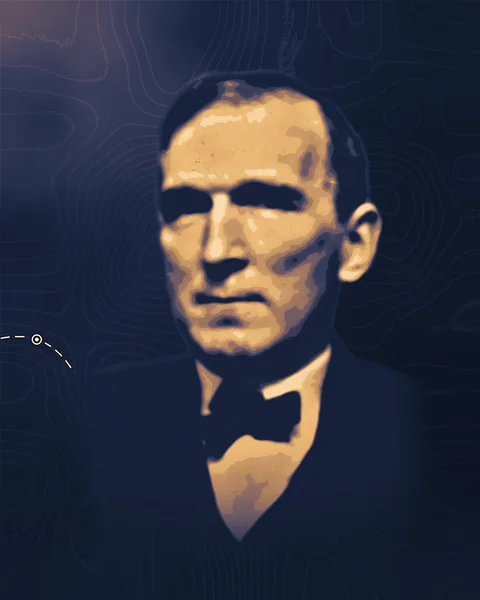
Oscar Sund
1884–1943
He put an echo sounder over the Lofoten cod grounds in 1935 and drew the fish, which opened the way to counting fish stocks by sound.
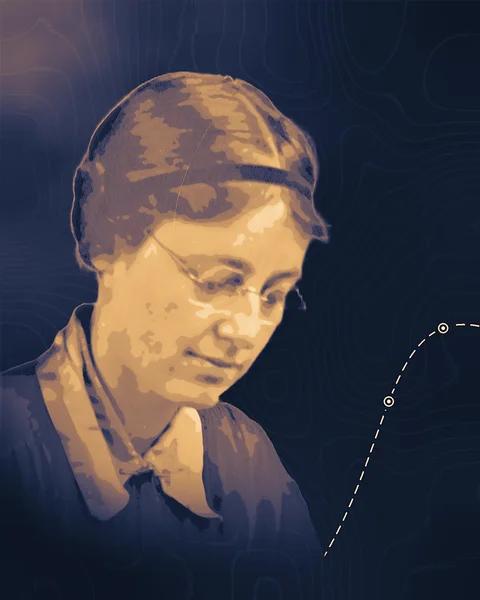
Kathleen Drew-Baker
1901–1957
She found the hidden stage in the life of the seaweed nori, which let Japanese growers seed their nets instead of waiting on the sea.
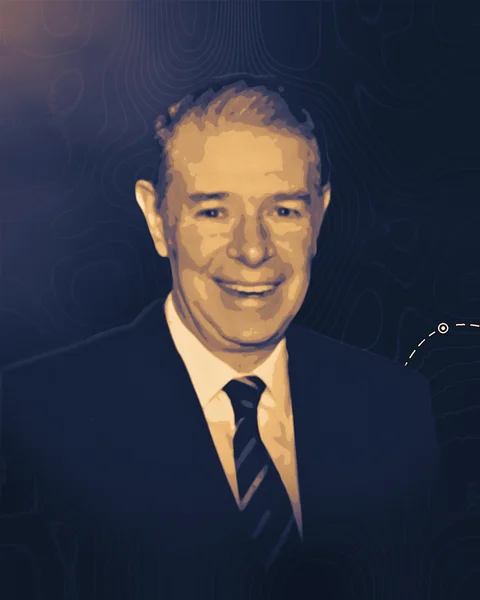
Ray Beverton
1922–1995
With Sidney Holt he wrote the mathematics by which fishery scientists still work out how much fishing a stock can bear.
Advances to build with
1 research note

Open in fishing and aquaculture
3 of 12 open deliverables
Open · Finding and catching fish
Check TED bars from photos
a phone workflow that photographs a TED grid next to a printed scale target, finds every gap between the bars, measures it, and flags any gap wider than the 4-inch (101.6 mm) legal maximum. It could also log the grid's angle with the phone's tilt sensor.
Built with what exists
a smartphone camera; a printed ChArUco calibration board and the OpenCV library (Python) to turn pixels into millimetres and find bar edges; calipers for ground truth.
Open · Vessels and gear
Real ghost-gear sonar library
the first open, labelled set of side-scan sonar images of real lost nets and traps, each confirmed by a recovery team that lifted or dived on it, plus a baseline detector and its scores.
Built with what exists
a recreational side-imaging sonar sold for anglers, a small boat and GPS; a partner recovery team's logs to confirm each target; CVAT for labelling; Ultralytics YOLO for the baseline detector.
Open · Fish farming
Open test for lice cameras
a written test procedure plus free scoring software. A farm or regulator feeds in a lice camera's counts and careful manual counts of the same pens, and the software reports, for each lice stage, the bias (how far the camera reads high or low), the correlation, and whether the camera passes stated limits.
Built with what exists
Python with pandas, SciPy and statsmodels; the Institute of Marine Research's standard manual counting procedure and its finding that 30 fish per pen is a workable sample; the BarentsWatch fish health API, which gives weekly manual lice counts for every Norwegian site under an open licence, to set realistic lice levels for simulated tests.